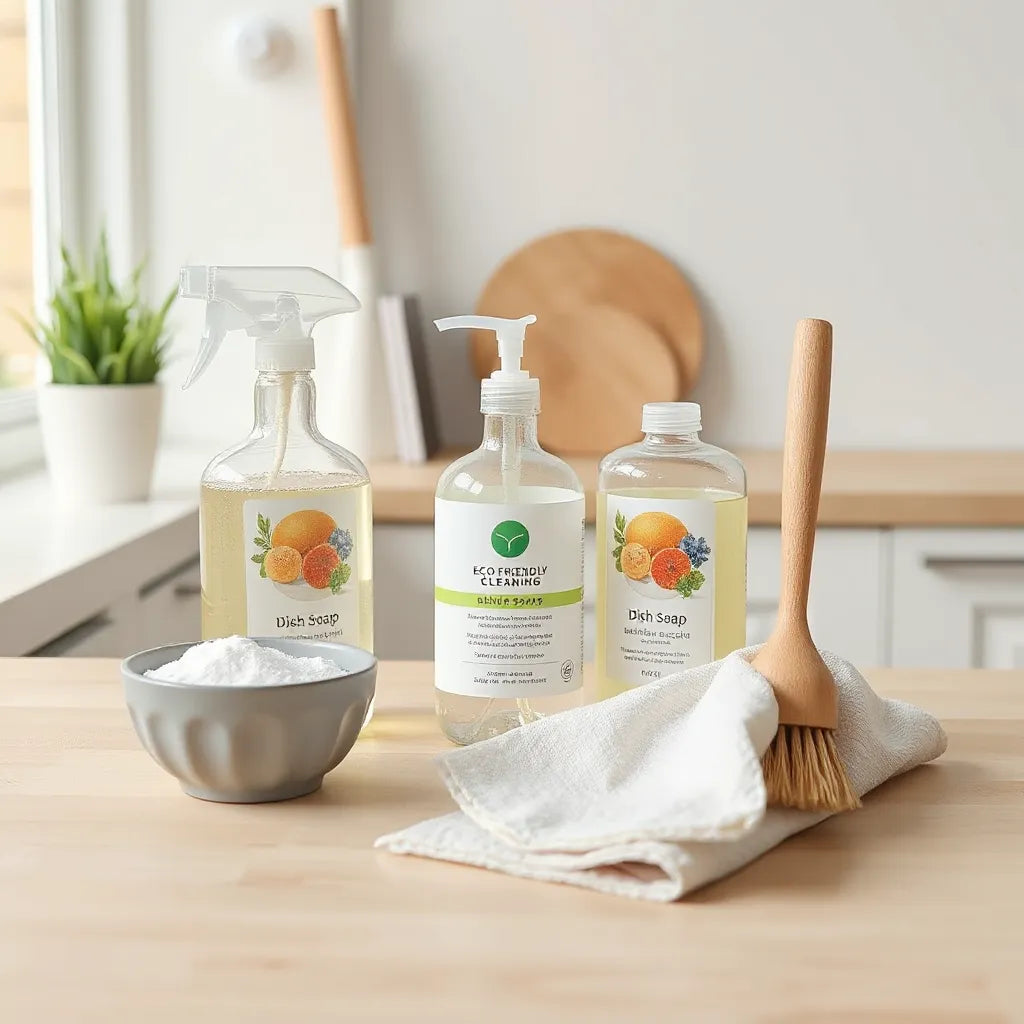
Eco-Friendly Cleaning Products for a Healthier Home
Updated on: 2026-07-09
Why eco-friendly cleaning products matter for daily hygiene
Eco-friendly cleaning products help you maintain a clean, safe home while reducing unnecessary environmental burdens. Traditional cleaners can include ingredients that contribute to air pollution, harm aquatic life, or leave residue that irritates sensitive skin. When you choose formulations designed to be biodegradable and used with responsible packaging, you support a healthier indoor environment and a lower-impact cleaning process.
Beyond the environmental dimension, eco-friendly cleaning products often align with practical benefits: clear labeling, thoughtful dilution ratios, and fewer harsh odors. Many households notice that homes feel fresher without a strong chemical smell, especially in kitchens and bathrooms where ventilation is limited. This does not mean every alternative is automatically better for every surface. The key is selecting products that match the task, the material, and the concentration you use.
Cleaning performance also depends on workflow. A well-designed routine reduces the amount of cleaner required by removing dirt efficiently. Microfiber cloths, targeted pre-treatment, and proper dwell time can improve results while keeping chemical use modest. In this sense, sustainable cleaning is not only about ingredients. It is also about method, tools, and consistent habits.

Eco cleaning symbols: leaf, water droplets, microfiber weave
How to choose eco-friendly cleaning products that work
When selecting eco-friendly cleaning products, evaluate them using a structured checklist. This approach reduces guesswork and helps you buy items that perform well across real household messes.
1) Review ingredient transparency and function
Look for product pages that describe ingredient purpose and highlight safer surfactants, plant-based solvents, or enzymes where relevant. A quality eco formula should explain why it removes grease, scale, or soap scum. If the label is vague, it is harder to judge whether the product is suited for your needs.
2) Confirm biodegradability and aquatic impact
Biodegradability matters because runoff can travel to waterways. Prefer formulations that state they are readily biodegradable or designed to break down into less harmful components. Avoid products that make broad environmental promises without any supporting details.
3) Consider packaging and refill options
Packaging is part of the sustainability profile. Concentrated refills can reduce transport weight and lower plastic waste. When you can, choose recyclable bottles or systems that minimize single-use containers.
4) Match the product to the surface
Eco-friendly is not synonymous with universally gentle. Some natural acids can damage stone, and some oxygen-based cleaners may affect certain metals or finishes. Always check compatibility guidance for tiles, sealed wood, laminate, glass, and painted walls.
5) Prioritize ventilation and correct dilution
Even low-toxicity products require safe use. Use ventilation, follow dilution instructions precisely, and avoid mixing cleaners unless the manufacturer explicitly authorizes it. Correct concentration is one of the most reliable ways to achieve strong cleaning results without overuse.
How-to steps: switch to eco-friendly cleaning products without disruption
Switching does not need to be sudden. You can transition gradually while keeping cleaning standards high. Use the steps below to move from conventional cleaners to more sustainable options with minimal friction.
Step 1: Audit your current cleaning supplies
List every cleaner you use weekly or monthly, including bathroom descalers, degreasers, glass cleaners, and laundry products. Identify which items are used for heavy soil and which are used for light maintenance. This audit reveals where the largest chemical reduction is possible.
Step 2: Start with the easiest swaps
Begin with products that cover broad tasks and do not require specialized chemistry. For example, general-purpose cleaners and floor maintenance products are common first steps. This helps you test performance and learn correct dilution without risking a deep clean failure.
Step 3: Choose a small set for core tasks
Rather than replacing everything at once, select a compact cleaning lineup. A practical setup can include an all-purpose cleaner, a bathroom cleaner suitable for soap scum, a glass cleaner, and a degreaser for kitchen surfaces. When your system is consistent, you reduce wasted product and you build reliable habits.
Step 4: Pair eco-friendly formulas with the right tools
Tools often determine outcomes. Microfiber cloths lift dirt efficiently and reduce the need for extra chemical action. Scrub pads with controlled abrasion protect finishes and speed up cleaning. A squeegee improves glass results, and a mop system with replaceable pads can maintain floors with less chemical exposure.
Step 5: Use a disciplined workflow
Work from low-soil areas to high-soil areas. Remove loose debris first, then apply cleaner, then allow a short dwell time to break down residue. Rinse when required by the surface type or when a residue-free finish is important, such as on food-prep areas.
Step 6: Label and store safely
For concentrated cleaners, store bottles away from heat and direct sunlight. Label any diluted mixtures with the date and intended use. Keep products out of reach of children and pets, and use original packaging whenever possible for safe identification.
Step 7: Measure success by visible results and fewer irritants
Track what improves for you. A successful transition is not only about environmental ideals. It includes better cleaning consistency, less strong odor, and fewer episodes of skin irritation. If results are weak, adjust method first: ensure correct dilution, extend dwell time slightly, and use the right cloth or brush for the job.
Eco-friendly cleaning routines by room
A room-by-room routine helps you target the right chemistry and prevent unnecessary product switching. The goal is effective cleaning with consistent steps that reduce waste.
Kitchen: grease control with targeted application
Kitchens require careful attention because residue builds quickly. Use an eco-friendly degreaser on stovetops, cabinet fronts, and splash zones. Apply to a cloth first when possible to prevent overspray. Wipe with a microfiber cloth, then remove any remaining film with a water wipe or a lightly damp cloth. For daily maintenance, a gentle all-purpose spray can handle light fingerprints and dust on counters.
Bathroom: soap scum and mineral buildup
Bathrooms often need descaling. Select bathroom eco-friendly products designed for soap scum or mineral deposits, and verify compatibility with your fixtures. Use a method that prevents streaking: apply cleaner evenly, allow it to act briefly, scrub with a non-damaging brush, and rinse thoroughly. Drying helps reduce water spots, which lowers the need for repeated applications.
Floors: less residue, better texture
Floors benefit from correct dilution and consistent mop techniques. Choose floor-safe eco cleaning products and avoid excessive liquid. Mop with a damp pad, not a soaking method, and rinse if the product instruction indicates residue removal. For textured flooring, use microfiber pads that maintain contact across the surface.
Bedrooms and living areas: dust management and air comfort
For upholstery and surfaces, focus on removing dust rather than over-wetting. Use a safe all-purpose cleaner for hard surfaces and consider spot cleaning to reduce product use. Regular microfiber dusting can keep allergens down by trapping particles instead of pushing them around.
Laundry: fresh results with mindful cycles
Laundry requires careful formulation selection. Consider detergents and laundry additives designed to be biodegradable and to rinse clean. If you use softeners, evaluate whether they are necessary for your water hardness. A low-residue approach can improve fabric comfort and reduce buildup over time.

Room plan icons: kitchen grease, bathroom bubbles, floor mop
Common mistakes when using eco-friendly products
Eco-friendly cleaning products can deliver strong results, but errors in usage can lead to disappointment. Review the most frequent issues to maintain performance and protect surfaces.
Using insufficient concentration
Many eco formulations are designed to work at specific dilutions. Under-dosing is one of the most common reasons for weak cleaning. Measure accurately and follow dilution guidance.
Skipping pre-clean steps
Removing loose debris before cleaning improves effectiveness. If you apply cleaner to dried residue without loosening it first, you may need repeated application.
Not checking surface compatibility
Some natural ingredients are acidic or oxidizing. Do not assume gentleness. Verify compatibility for stone, grout, natural wood, aluminum, and certain painted finishes.
Mixing cleaners
Never mix products unless the manufacturer explicitly confirms that mixing is safe. Incorrect combinations can create harmful fumes or reduce cleaning efficacy.
Overusing strong products “just in case”
More chemical is not always better. Many tasks can be handled with the correct dwell time and the right tool. Overuse increases waste and can leave residue that attracts dust.
Ignoring ventilation and safe handling
Even safer products require basic safety practices. Use ventilation, keep caps secured, and wash hands after handling concentrates.
When you implement the correct method, sustainable cleaning becomes a routine rather than a compromise. If you want to align your broader home upgrades with a sustainability mindset, you can explore additional options on NuvaHaven. Use eco-friendly cleaning products as part of a holistic approach that includes efficient tools and responsible purchasing.
FAQ
Are eco-friendly cleaning products as effective as conventional cleaners?
Yes, they can be effective when matched to the cleaning task and used at the correct dilution. Many eco-friendly formulas work by combining surfactants, enzymatic action, or targeted acids for specific grime. Effectiveness also depends on tools such as microfiber cloths and on workflow, including pre-cleaning and short dwell time.
Can eco-friendly cleaning products be used on natural stone and glass?
They can be used on many surfaces, but compatibility varies by ingredient. Acidic formulas may damage certain stones, and abrasive pads can scratch glass or finishes. Always check the product guidance for your specific material and test in an inconspicuous area when you are changing formulations.
Do eco-friendly cleaning products leave residue?
When used correctly, residue is usually minimal, especially if the product is designed to rinse clean and you follow the stated directions. If you notice film or streaking, confirm dilution accuracy, ensure adequate wiping or rinsing, and check whether the surface requires a residue-free finish.
Closing thoughts
Switching to eco-friendly cleaning products is a practical way to protect indoor comfort and reduce unnecessary environmental impact. Start with a small set of reliable cleaners, use correct dilution, and pair them with efficient tools. As you refine your routine room by room, sustainable cleaning becomes easier, more consistent, and easier to maintain.
Begin with one swap this week. Keep notes on what improves, adjust technique where needed, and continue building a cleaning system that supports both performance and responsibility.
About the Author
SellHots is supported by expertise in home care guidance and responsible product selection. The team focuses on translating ingredient and process factors into practical routines that improve results. With a commitment to clarity and safety, the authors help customers make informed choices for everyday cleaning. You can take the next step by applying the checklist and switching one category at a time.
The content in this blog post is intended for general information purposes only. It should not be considered as professional, medical, or legal advice. For specific guidance related to your situation, please consult a qualified professional. The store does not assume responsibility for any decisions made based on this information.