Stylish Kitchen Dining Sets: Choose the Right Style
Updated on: 2026-07-19
If you want a dining area that feels cohesive and inviting, choosing the right set matters. Stylish kitchen dining sets combine seating and table design so your space looks finished without extra guesswork. A well-matched set also supports better flow during meals, from everyday breakfasts to entertaining. This guide explains how to select a set that fits your room, style, and maintenance expectations.
Table of Contents
Introduction
Shopping for stylish kitchen dining sets can feel overwhelming because tables and chairs are often sold separately, then matched later by trial and error. That approach increases the risk of mismatched proportions, inconsistent finishes, and a dining space that looks “almost right” instead of truly polished. A coordinated set helps you achieve a balanced look from the first day, while also simplifying sizing decisions and creating a stronger visual identity for the room.
In this article, you will learn how to evaluate layout, materials, comfort, and maintenance needs so you can choose a set that supports everyday use and long-term satisfaction. You will also find practical guidance for selecting shapes, finishes, and seating configurations that work with your lifestyle.
A Practical Approach That Worked for Me
When I first redesigned my kitchen and dining area, I focused on the table first. I assumed it would be easy to “add chairs later.” The result was disappointing. The chairs looked fine in isolation, but together they created visual noise. The seat height did not feel aligned with the tabletop, and the overall look lacked symmetry.
After that experience, I switched to a more structured method. I set three requirements before I compared options: consistent finish tone, compatible seat height, and an arrangement that supports comfortable movement. Once I evaluated sets as a complete unit, the space became easier to manage. Meals felt smoother, cleaning became faster, and guests noticed the room looked intentional rather than assembled.
Key Advantages of Coordinated Dining Sets
- Better visual harmony: Table and seating are designed to work together, which reduces mismatched lines and uneven color appearance.
- Improved comfort by design: Seat height, back support, and spacing are typically planned as a unit, helping diners sit at a natural angle.
- Simplified shopping: Instead of comparing many chair styles against a table you already own, you can evaluate a single cohesive option.
- Efficient room planning: Coordinated dimensions help you plan clearances for walking paths and chair pulls.
- More predictable maintenance: Similar materials and finishes often share cleaning and care requirements.

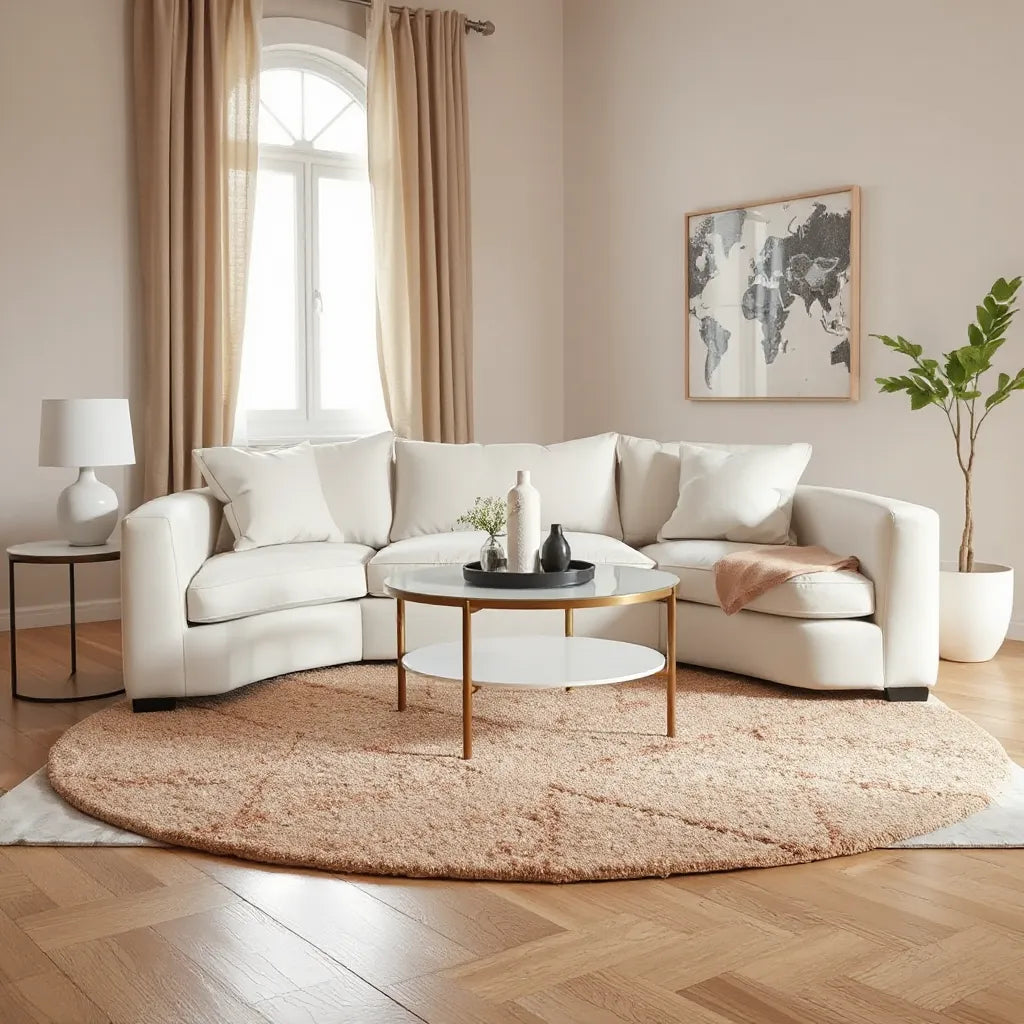
Coordinated shapes create a calm dining layout
How to Choose the Right Set for Your Home
The most effective selection process starts with your space, then moves to your lifestyle, and finally to your finish preferences. The goal is to find a set that looks stylish kitchen dining sets worthy while still performing well in everyday routines.
Measure for real movement, not just fit
Before you compare options, measure your dining footprint, including how far chairs can slide when people stand up. Aim for comfortable circulation around the table, especially if your kitchen connects to a hallway or high-traffic zone. If you often host, allow extra clearance for guests to pass without bumping chairs.
Match table shape to traffic flow
Table geometry affects how people gather and how the room feels. A round or oval table often supports smoother conversation and can be more forgiving in smaller areas. Rectangular options can be ideal for kitchens with long wall runs, yet the right chair spacing is still essential for comfort.
Choose seating capacity based on daily reality
Many homes do not need maximum occupancy every day. Decide what you need for regular use, then determine whether occasional visitors are better served by flexible seating. A set that fits your typical needs will look cleaner and feel more comfortable, even if it can handle guests with a reasonable plan.
Prioritize comfort details that affect long meals
Look for stable chair construction, supportive back design, and seat dimensions that align with the table height. Even small differences can affect comfort during longer meals or extended work-from-dining-table sessions.
Consider maintenance from the start
Dining furniture is exposed to everyday spills, crumbs, and regular wipe-downs. Choose finishes that are easy to clean without damaging the surface. If your household includes children or frequent gatherings, prioritize scratch-resistant finishes and materials that tolerate routine cleaning.
For a broader perspective on how design choices influence a room’s flow, you may find it helpful to explore complementary lighting solutions on dining room chandelier options. Lighting can complete the dining zone and improve how colors appear.
Align Style, Color, and Materials
Style is more than appearance. It is the way your dining set interacts with your kitchen finishes, flooring, and lighting temperature. A well-chosen set reduces visual conflict and makes the space feel cohesive.
Use a finish strategy: match, complement, or unify
Three finish strategies work reliably:
- Match: Choose finishes that echo nearby hardware or lighting frames for a consistent look.
- Complement: Select finishes that harmonize without exact duplication, using tone and undertone as the guide.
- Unify: Pick a dominant material that anchors the room, then coordinate secondary elements through small accents.
Balance modern lines with warm textures
In many kitchens, cabinetry and appliances create strong visual structure. To keep the dining area inviting, pair streamlined table forms with warmer textures such as upholstered seat pads, wood-toned surfaces, or matte finishes that soften reflections.
Think about color temperature and shadow
Dining sets appear different under warm versus cool lighting. Warm lighting typically enhances wood tones and makes upholstery feel cozier. Cooler lighting can emphasize sleek metal and darker finishes. The best choice is the one that keeps your space visually consistent throughout the day.

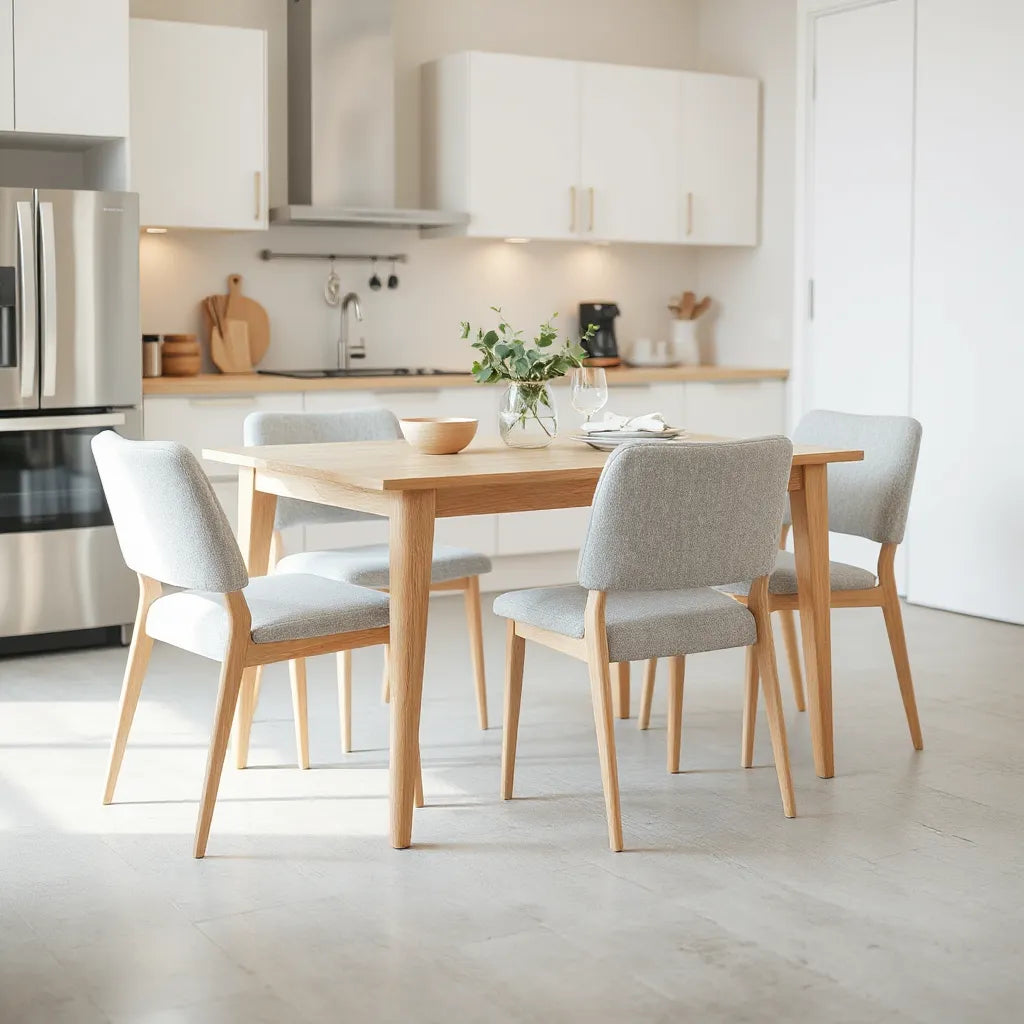
Color harmony guides the eye across dining surfaces
Coordinate with surrounding functional furniture
Your dining set does not live alone. Storage, drink stations, and nearby tables influence the overall impression. If you want to strengthen the dining zone’s design logic, consider the role of adjacent surfaces such as a coffee table or side furniture in the same material language.
For example, you can compare complementary styling ideas by reviewing options on modern coffee table designs. This can help you understand how materials and reflections create visual continuity between rooms.
Confirm proportions with the chair-to-table relationship
Even if the set looks attractive in photos, the chair-to-table relationship determines whether the space feels balanced. Check the visual line from tabletop edge to seat height, then verify that diners can comfortably reach the table without leaning forward.
Plan for seasonal usability
In many households, dining involves seasonal adjustments. Consider how cushions, chair pads, or protective coverings may be used. Choose materials that allow practical layering without trapping heat or complicating cleaning routines.
Quick Tips
- Set measurement targets first: Leave space for chair movement and comfortable entry.
- Decide your primary style: Modern, transitional, or classic, then narrow options accordingly.
- Pick one dominant material: Let it anchor the room, then harmonize secondary elements.
- Test comfort priorities: If you frequently host, emphasize stable seating and supportive backs.
- Use lighting to finish the look: Ensure the set looks consistent under your dining lighting.
- Choose easy-clean surfaces: Prioritize wipe-friendly finishes for daily maintenance.
If you are refining a broader kitchen and living area concept, you can also evaluate how different textures work together by browsing table and seating combination styling. The same design principles of proportion and coordination apply across dining spaces.
Summary and Next Steps
Stylish kitchen dining sets are a practical path to a dining area that feels designed, not improvised. Coordinated table and chair styling can improve comfort, visual balance, and maintenance predictability. To choose effectively, measure your available space with realistic movement, select a table shape that matches your traffic flow, and confirm comfort through seat and back design. Finally, align finishes and materials with your kitchen tones so the dining zone reads as a unified part of your home.
Next, create a short checklist based on your room size, seating needs, and maintenance preferences. Then evaluate options as complete sets rather than isolated pieces. When you prioritize harmony and functionality at the same time, your dining area becomes more than a place to eat; it becomes a reliable space for conversation and daily routines.
Q&A Section
What size stylish kitchen dining set should I choose for a small kitchen?
For smaller spaces, prioritize clear circulation and choose a table shape that maximizes usable seating. Round and oval designs often allow people to move around the table more easily. Measure chair pull space and ensure there is enough room to walk behind seated diners. If you frequently host, consider a set with flexible capacity and select chairs that stack or tuck in when not in use.
How do I match a dining set with my kitchen cabinet finishes?
Start with the dominant tone in your kitchen. Choose either a matching finish strategy, where the dining set repeats nearby undertones, or a complement strategy, where it harmonizes without duplicating the exact color. Unify the room by selecting one primary material language, such as wood tones or metal accents, and then keep secondary finishes consistent. Lighting temperature also affects how cabinet colors appear next to the dining set.
Are coordinated sets easier to maintain than mixing separate furniture?
In most cases, yes. Coordinated sets often share material and finish types, which means your cleaning approach will be consistent. When you mix different pieces, you may face multiple surface-care requirements. For daily care, choose wipe-friendly finishes and consider protective measures such as placemats or table covers if your household experiences frequent spills.
About the Author
SellHots is a home furnishings content team specializing in dining space design, layout planning, and material selection. The team focuses on practical guidance that helps shoppers evaluate comfort, proportions, and visual cohesion. This article reflects that approach through clear criteria and objective recommendations. Thank you for reading and for choosing a more intentional dining setup.
The content in this blog post is intended for general information purposes only. It should not be considered as professional, medical, or legal advice. For specific guidance related to your situation, please consult a qualified professional. The store does not assume responsibility for any decisions made based on this information.