Modern Kitchen Designs: Smart Layout and Style Tips
Updated on: 2026-07-02
Modern kitchen designs focus on clarity, function, and durable materials. They make daily routines faster by improving layout flow and storage. Thoughtful lighting and clean finishes help the room feel calm, even in busy homes. When you plan for longevity, you reduce costly changes and keep the kitchen looking current. This guide outlines practical decisions you can apply immediately.
Contents
Introduction
My Experience With Layout and Light
Key Advantages of Modern Kitchen Designs
Design Principles That Hold Up Over Time
Materials and Finishes That Perform
Quick Tips for Planning and Purchasing
Summary and Next Steps
Q and A
Modern Kitchen Designs: Build a Kitchen That Works Every Day
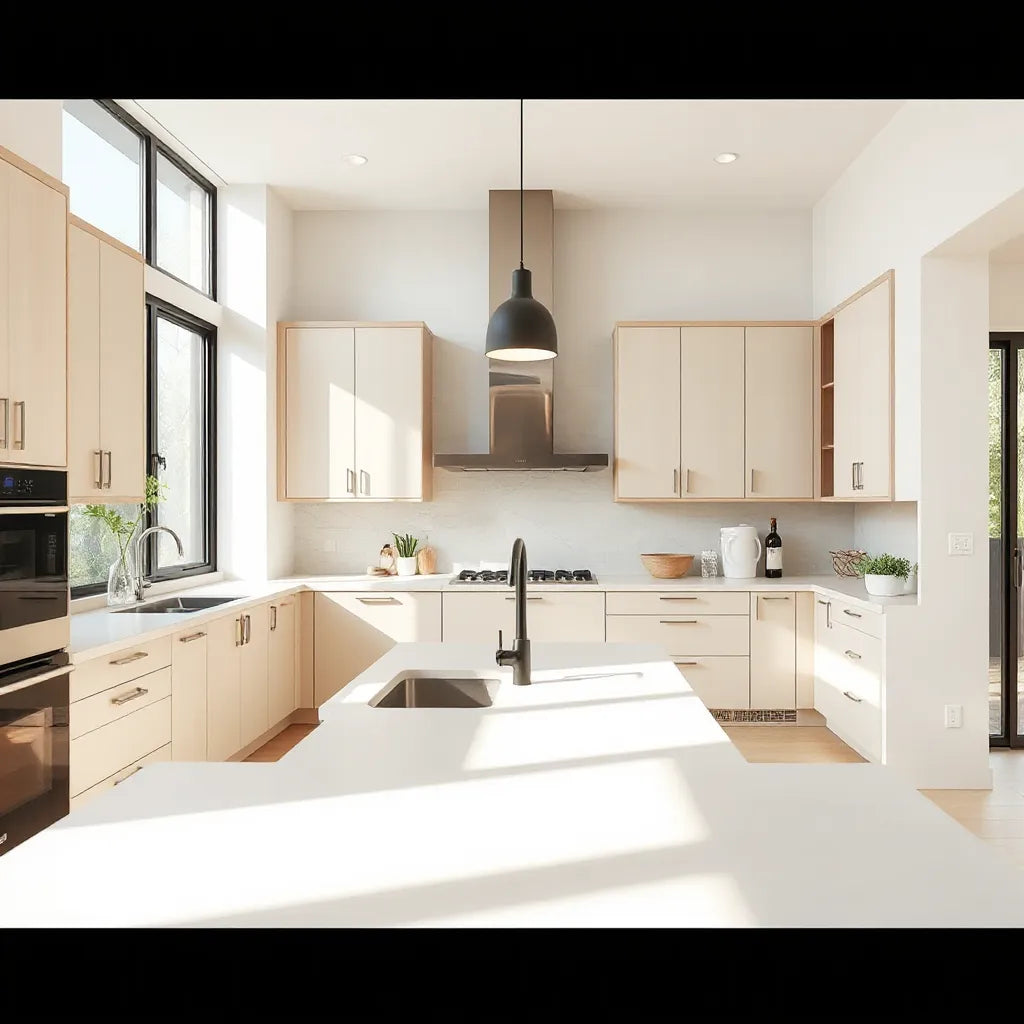
Modern kitchen designs are not only about appearance. They are a system that improves how you cook, clean, and move through the space. A well-designed kitchen reduces friction: fewer steps, smarter storage, and lighting that supports tasks without harsh glare. It also benefits long-term value because many modern choices emphasize timeless forms, strong materials, and flexible layouts.
In this article, you will learn how to evaluate your current space, choose a layout that supports workflow, and select finishes that stay attractive under daily use. You will also find a set of quick actions that can guide your next renovation or refresh.
My Experience With Layout and Light
I once reviewed a kitchen where everything looked stylish in photos but felt difficult in real use. The main issue was not the cabinetry. It was the path between the sink, the cooktop, and the refrigerator. During meal prep, the homeowner repeatedly crossed the same walkway, and the lighting did not reach the countertop work zone evenly.
When we adjusted the functional zones and added task-focused illumination, the kitchen became noticeably easier. Cutting, washing, and cooking felt more deliberate and less rushed. The room also looked better because the finishes were consistent and the surfaces were easier to maintain. This is where modern kitchen designs prove their value: they combine practical ergonomics with a clean visual rhythm.
Layout flow arrows and layered task lighting concept
Key Advantages of Modern Kitchen Designs
- Better workflow with fewer steps: Zoning improves how you move between prep, cooking, and cleanup.
- Storage that stays organized: Built-in solutions, drawer systems, and smart cabinet interiors reduce clutter.
- Lighting designed for real tasks: Layered light makes countertops usable and improves visibility.
- Materials that withstand daily wear: Durable finishes support cleaning and keep surfaces consistent.
- A refined, cohesive look: Modern styling often uses simple lines and balanced tones.
Design Principles That Hold Up Over Time
Modern kitchen designs tend to succeed when the core principles are strong. Before selecting finishes, plan the structure of the space: workflow, proportions, and sight lines. These elements determine whether the kitchen feels comfortable years later.
Start with a functional layout
Most kitchens can support one of a few layout approaches. The key is to align work areas so the movement feels natural. If you frequently host, prioritize a route that keeps the walkway clear and allows guests to observe without blocking you. If you cook often, prioritize the prep surface and a clear path between storage and cooking.
Common best practices include a practical triangle between the sink, cooktop, and primary storage. Even when your kitchen is not shaped ideally, you can still design zones with clear access to each function.
Use zoning to reduce visual noise
Zoning is not only functional; it also improves visual order. Group items by role. Keep daily tools near the prep area. Place less-frequent items deeper in storage. This method reduces countertop distractions and supports the minimal, organized look associated with contemporary interiors.
Plan proportions for comfort
Modern kitchens often use bold simplicity. That simplicity makes proportions more noticeable. Make sure drawer depths support your daily items. Confirm that cabinet heights align with your reach and typical tasks. If you use stools or seating, ensure there is enough clearance for movement and cleaning.
Design for sight lines
Even small kitchens can feel expansive when sight lines are managed. Choose a cabinet color and hardware approach that does not fracture the view. Keep the transition between upper and lower cabinetry balanced. When you reduce visual interruptions, the room feels calmer.
Materials and Finishes That Perform
Finishes in modern kitchen designs should be selected for both aesthetics and maintenance. A kitchen is constantly exposed to heat, moisture, cleaning products, and physical contact. Durable materials keep the space looking consistent and reduce the need for frequent touch-ups.
Countertops: choose for durability and ease
Countertops are the most visible work surface. Choose a material that can handle hot cookware, regular cleaning, and everyday cutting. Pay attention to edge profiles and surface texture. Smooth surfaces tend to be easier to wipe clean, while textured finishes can hide minor wear. Your selection should match your cleaning routine and cooking habits.
Cabinet fronts: balance modern style with daily practicality
Slab-style doors and simple lines are common in modern kitchens. The best cabinet finishes resist fingerprints and maintain color consistency. Soft-close hinges and stable drawer guides improve usability and reduce noise. When drawers open smoothly and close quietly, the kitchen feels higher-end and more refined.
Backsplash: protect and unify
A backsplash can unify the look while protecting the wall behind cooking areas. In modern kitchens, the backsplash often supports the overall color plan rather than competing with it. Choose a finish that aligns with the countertop and the cabinet tone. A consistent visual rhythm reinforces the contemporary design feel.
Flooring: choose for movement and maintenance
Flooring must handle spills, heavy appliance movement, and frequent sweeping. Many contemporary styles use materials that offer resilience and a clean visual finish. Ensure that transitions at doorways are smooth and that the surface supports safe footing.
Hardware and fixtures: small details, large impact
Faucets and hardware should match in finish and scale. Modern kitchens often favor streamlined profiles. When hardware is proportionate and consistent, the kitchen reads as intentional instead of assembled from mismatched parts.
Material swatches with color harmony and maintenance icons
Quick Tips for Planning and Purchasing
- Measure before you decide: Record wall lengths, door clearances, and ceiling height. Accurate dimensions prevent costly design changes.
- Choose a primary palette: Select one dominant neutral and one secondary accent. This approach supports a cohesive modern look.
- Prioritize task lighting: Add lighting that reaches the countertop work zone. Combine ambient light with focused sources.
- Optimize storage by category: Plan dedicated spaces for cookware, plates, and daily-use items to maintain organization.
- Reduce visual interruptions: Keep repeated elements consistent, such as cabinet lines, hardware spacing, and backsplash patterns.
- Test finishes under natural and artificial light: Colors can shift throughout the day. Confirm the effect before finalizing.
- Plan for ventilation: If you cook often, ensure proper airflow. You want comfort and clean boundaries near cooking zones.
- Use one focal moment: Create a visual anchor with a backsplash zone, a statement range surround, or a carefully selected countertop edge detail.
For shoppers who want to explore a broader selection of style-adjacent items for a modern home environment, you can browse Charlie Company Tactical. Use this option as a reference for how modern styling can influence the rest of your interior choices.
Summary and Next Steps
Modern kitchen designs succeed when planning begins with workflow, then moves to materials, lighting, and visual cohesion. You should not treat a kitchen as a collection of separate parts. Instead, evaluate how you move, how you store, and how you see your work surfaces. When those elements align, the result is a kitchen that looks current and remains practical.
Next, review your layout and identify your biggest daily friction points. Then decide on a palette and finishes that match your maintenance routine. Finally, plan layered lighting so the kitchen supports both everyday tasks and hosting moments.
Q and A
How do I know whether my kitchen layout fits modern kitchen designs?
Start by mapping your movement during typical tasks. If you repeatedly cross paths or reach across open areas, the layout likely needs zoning changes. Consider whether there is adequate counter space between the sink and cooking zone and whether frequently used items are stored near the work area. Even if you cannot move plumbing, you can often improve function with better storage planning and lighting.
What is the most important lighting choice for a contemporary kitchen?
Task lighting is usually the most impactful. Under-cabinet or recessed lighting near the countertop helps reduce shadows and glare while preparing food. Then balance it with ambient lighting to maintain a consistent room feel. The goal is even visibility across prep areas, not a single bright spotlight.
Which finishes are easiest to maintain in a modern kitchen?
Choose finishes that resist staining and are simple to wipe clean. Many homeowners find that smooth surfaces and durable countertop materials offer the best balance of appearance and upkeep. For cabinetry, consider finishes that minimize visible fingerprints and moisture marks. Always confirm compatibility with your typical cleaning products and habits.
Can modern kitchen designs work in small spaces?
Yes. Small kitchens benefit from smart organization and careful proportions. Prioritize storage solutions that use vertical space and drawers that support categorized items. Reduce visual clutter by keeping countertops clear and maintaining consistent finishes. If you incorporate seating, ensure there is enough clearance for movement and cleaning.
Should I focus on looks first or function first?
Function should lead. A kitchen that supports workflow and storage will always feel better, even when style is simple. Style then becomes a layer that reinforces the experience through cohesive materials, consistent hardware, and balanced lighting. This sequence keeps decisions practical and reduces regret.
About the Author Section
SellHots specializes in home-focused design guidance and modern interior shopping strategy, with expertise in how layout, lighting, and materials affect everyday usability. The author team supports readers with objective, decision-ready recommendations that align with contemporary aesthetics and long-term maintenance needs. For more ideas, explore the design resources on our site and use them as a checklist while planning your next upgrade. Thank you for reading, and may your next kitchen project be simpler, clearer, and more satisfying.
The content in this blog post is intended for general information purposes only. It should not be considered as professional, medical, or legal advice. For specific guidance related to your situation, please consult a qualified professional. The store does not assume responsibility for any decisions made based on this information.