Elevated Garden Decor Ideas That Instantly Feel Luxe
Updated on: 2026-06-18
Elevated garden decor transforms ordinary outdoor space into a composed, gallery-like environment. It uses height, structure, and layered materials to create visual interest from every viewing angle. When selected with climate and maintenance in mind, these upgrades can look refined for years. This guide explains practical choices, clear pros and cons, and a buyer’s checklist.
Table of Contents
TLDR | Did You Know? | Comparison: Pros & Cons | Buyer’s Checklist | Final Thoughts & Advice | Q&A Section | About the Author
Elevated garden decor: a simple way to upgrade outdoor style
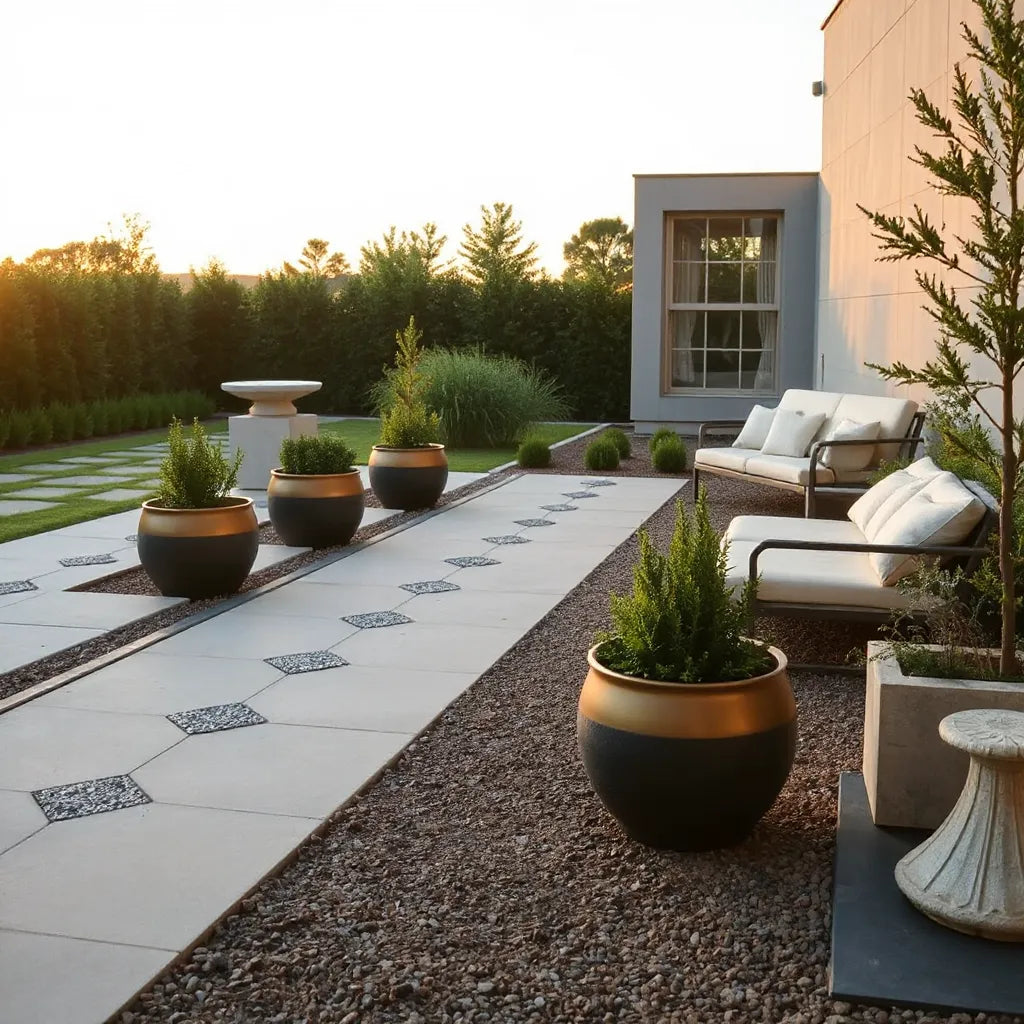
Elevated garden decor refers to outdoor design elements that add height and structure. The result is a space that feels intentional, not improvised. You can use it to frame paths, soften fences, and highlight plants without covering them. It is also one of the most efficient ways to improve curb appeal because it changes how the eye travels across the garden.
In this guide, you will learn how to choose pieces that fit your layout, how to balance style with durability, and how to avoid common buying mistakes. You will also find a practical checklist and a set of questions that address real-world concerns such as stability, weather resistance, and visual harmony.
Did You Know?
- Visual hierarchy matters: placing elements at different heights makes a garden feel fuller, even when the plant collection stays small.
- Outdoor lighting and height create depth: elevated accents make shadows longer and more defined, which enhances the overall layout at dusk.
- Material behavior changes outdoors: metal, stone, and engineered wood can each expand, stain, or weather differently, so the finish is as important as the look.
- Scale improves perceived quality: a few larger, elevated features often read more premium than many small items that compete for attention.
- Maintenance drives long-term satisfaction: designs that allow easy access for cleaning and plant care usually perform better across seasons.
Comparison: Pros & Cons
- Pros: Creates clear focal points and improves sightlines along walkways and seating areas.
- Pros: Enhances layering by combining vertical accents with flowers, shrubs, and ground cover.
- Pros: Works across budgets because many designs can be positioned without heavy renovations.
- Cons: Incorrect scale can overwhelm narrow patios or small yard layouts.
- Cons: Poor weather protection can lead to rust, fading, or surface deterioration.
- Cons: Over-decorating can reduce the impact of your plants by adding competing shapes and colors.

Layered height guide: lines, steps, and shadow depth
How elevated outdoor accents work in real layouts
Elevated garden decor succeeds when it supports the architecture of your outdoor space. Start with three viewing zones: the entrance approach, the main seating area, and any path that leads to a door or feature. From each zone, identify what currently draws attention first. If the answer is “nothing,” elevated pieces can correct that instantly by creating a primary focal point.
Height also improves organization. For example, if a hedge is low and the fence is tall, elevated accents can bridge the visual gap. If your garden has many small plants, taller features help avoid a cluttered look. When you apply the same design logic to multiple zones, the entire yard feels cohesive.
Common categories of elevated decor elements
- Pedestal-based planters: Add vertical structure while keeping plants visible from different angles.
- Tiered stands: Support stacked arrangement styles and help create a deliberate gradient.
- Wall-mounted and fence-mounted highlights: Use the garden boundary to frame plants instead of competing with them.
- Table-top and raised lantern styling: Add warmth and atmosphere while maintaining a clean footprint.
- Pathway accents: Improve navigation and create rhythm along walkways.
Choosing materials for outdoor stability
Material selection is a key driver of long-term value. Metal can provide crisp lines, but the finish must be suitable for moisture and temperature cycles. Stone-like surfaces read upscale and resist impact, but they can be heavy and may require more careful placement. Engineered materials can offer a consistent appearance, yet you should confirm whether the coating is designed for outdoor exposure.
If your climate includes frequent rain or freeze-thaw conditions, prioritize finishes that resist corrosion and discoloration. If you live in a sunny region, prioritize fade-resistant color. You also need to consider weight and wind exposure. Elevated decor should remain stable even when weather is unpredictable.
Prosperous styling: pairing elevated decor with plants
The goal is not to replace plants. The goal is to elevate the presentation of plants. Use plant height to build a second layer beneath elevated elements. When your elevated piece sits above a plant grouping, it creates a clear two-level composition.
A practical approach is to choose one “anchor plant” and one “support set.” The anchor plant can be a larger shrub or a focal flower. The support set includes smaller blooms or ground cover. Then select elevated garden decor that harmonizes with the anchor plant’s texture, color temperature, and seasonality.
For a calmer look, maintain a limited palette. For example, pair muted greens with warm neutrals. For a more expressive look, use one contrasting accent color and repeat it once elsewhere, such as in cushions or outdoor ceramics. This repetition creates a cohesive visual rhythm.
Design mistakes to avoid
- Ignoring negative space: Too many elevated items remove the garden’s breathing room and make it look busy.
- Using mismatched heights: When everything is tall, nothing becomes a focal point. Consider a range of elevations.
- Overlooking sightlines: Elevated pieces should not block doors, windows, or important paths.
- Forgetting color undertones: Warm-toned materials look different under shade than under direct sun.
- Choosing style that cannot be maintained: Complex surfaces may trap debris and require frequent attention.
To see how elevated design concepts translate to indoor spaces, consider browsing refined home accents at modern coffee table style. The same principles of scale, finish quality, and visual balance apply to garden styling.

Garden hierarchy map: focal point, layers, and pathways
Buyer’s Checklist
Before you purchase any elevated garden decor, evaluate it against these criteria. The checklist below focuses on performance, compatibility, and appearance over time.
- Purpose: Decide whether you want a focal point, improved structure, or added lighting ambiance.
- Placement plan: Measure the space and confirm clearance around walkways, seating, and doors.
- Scale: Choose an elevated piece that matches your garden size. One larger accent can outperform several small ones.
- Material and finish: Verify outdoor suitability, corrosion resistance, and color stability.
- Stability: Check base design, weight distribution, and whether it can be secured if required.
- Maintenance access: Confirm that you can clean surfaces and reach areas where debris accumulates.
- Compatibility with plants: Ensure the elevated decor does not block sunlight or overwhelm your plant arrangement.
- Style cohesion: Choose colors and textures that align with your fence, patio surfaces, and outdoor furniture.
- Seasonal versatility: Prefer designs that look intentional in both blooming and dormant seasons.
- Budget discipline: Set a target range and prioritize the most visible zone first.
If you also enjoy functional comfort indoors, you may find useful inspiration in premium towel warmer design. The emphasis on durability and finish performance is a useful benchmark when selecting outdoor materials.
Final Thoughts & Advice
Elevated garden decor is a strategic upgrade rather than a random add-on. When you treat it as part of the garden’s structure, the result is a more polished and longer-lasting outdoor experience. Keep your plan simple: choose one focal zone, select a material that suits your climate, and build a balanced height range around it.
Finally, remember that outdoor beauty grows with maintenance. Plan for seasonal cleaning, check for loose components, and adjust placements as plants change. With disciplined selection and thoughtful placement, elevated garden decor delivers a refined look that remains consistent through the year.
If you want additional home inspiration that emphasizes layered style and durable surfaces, explore weatherproof outdoor grilling setups. Functional outdoor design often reflects the same elevated thinking that improves visual quality in gardens.
Q&A Section
What is elevated garden decor, in practical terms?
It is outdoor styling that uses height and structure to guide the viewer’s eye. In practical terms, it includes pedestal planters, tiered stands, pathway accents, and other elevated features that help plants and layout look intentional. The main value is improved visual hierarchy and stronger focal points.
How do I choose the right height for my outdoor space?
Begin with measurements and viewing zones. Compare the elevated piece height to nearby plants, fence lines, and seating eye level. A common guideline is to vary elevations rather than making everything tall. One higher anchor, supported by mid-height elements, usually produces a more composed look.
Which materials are most suitable for outdoor exposure?
Suitability depends on climate. For wet and humid areas, prioritize corrosion-resistant finishes and stable bases. For sunny climates, prioritize fade-resistant colors and coatings. In general, materials with proven outdoor finish performance and easy cleaning access provide the best long-term value.
How can I avoid over-decorating while using elevated accents?
Limit the number of focal points and keep a consistent palette. Choose one dominant elevated feature per zone, then support it with simpler shapes and repeated tones. Leave visible space around plants so the garden remains airy and the elevated elements enhance rather than crowd the composition.
Do elevated decor pieces require special maintenance?
They should be maintained as part of standard seasonal care. Clean surfaces to remove debris, check stability after storms, and inspect finishes for early signs of wear. If your design includes surfaces that trap moisture, drying and periodic inspection can help extend appearance and performance.
About the Author
SellHots Product and Content Team
SellHots is an experienced team focused on practical home and lifestyle guidance, with emphasis on quality selection, design balance, and everyday usability. This article reflects a professional approach to outdoor styling decisions, from material performance to placement planning. Thank you for reading, and we encourage you to build a garden that feels structured, welcoming, and easy to maintain.
Disclaimer: This article is for informational purposes only and does not constitute professional design or installation advice. Always measure your space, verify product specifications, and consider local conditions before purchasing or placing outdoor decor.
The content in this blog post is intended for general information purposes only. It should not be considered as professional, medical, or legal advice. For specific guidance related to your situation, please consult a qualified professional. The store does not assume responsibility for any decisions made based on this information.