Designer Lighting Fixtures: Choose the Perfect Style
Updated on: 2026-06-14
Designer lighting fixtures help shape both mood and function in every room. The best designs balance style, glare control, and light distribution. By choosing the correct color temperature, mounting height, and dimming options, you can improve comfort and usability. A thoughtful plan also supports energy efficiency and long-term maintenance.
Choosing the right lighting is one of the fastest ways to upgrade a home’s visual identity. This guide explains how designer lighting fixtures influence atmosphere, comfort, and everyday performance. You will learn how to select fixtures based on room needs, light quality, and installation details, with practical steps you can apply to most residential and commercial projects. The goal is simple: make your lighting feel intentional, balanced, and easy to use.
Product Spotlight
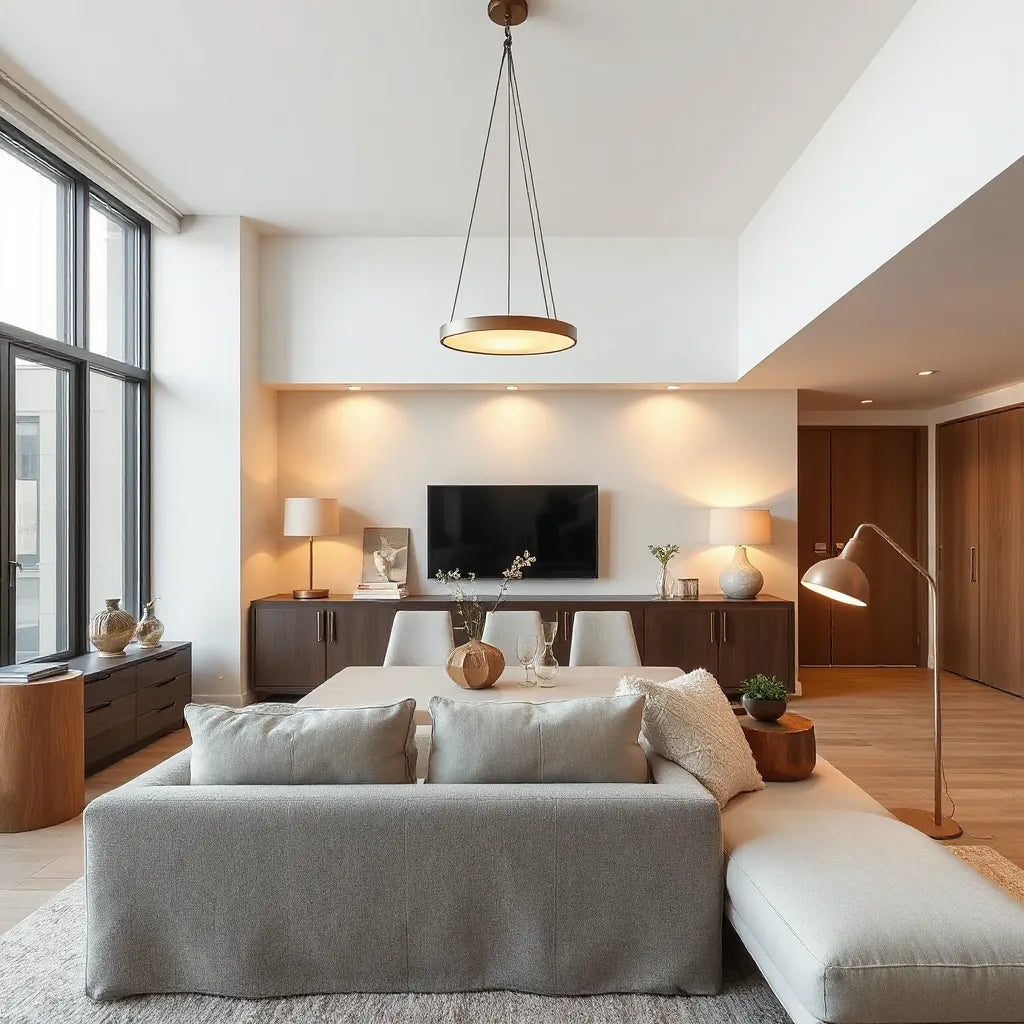
One reliable approach to layered lighting is to combine a statement fixture with practical sources that fill shadows. A strong example is the vintage round bird ceiling chandelier. It supports a focal point in dining areas and living rooms while giving a clear visual theme. When paired with dimmable bulbs and complementary wall or floor lighting, it can create a warmer, more curated experience.
For designer lighting fixtures, the key is not only appearance. Consider how the design affects light spread. A chandelier or pendant can brighten the center of a room, but it may not fully cover corners. That is where additional layers such as task lamps, recessed lights, or accent fixtures improve balance.
Another practical benefit is maintenance planning. If a chandelier uses accessible bulb holders and stable mounting hardware, it is easier to keep the fixture clean and consistent over time. Before selecting, review installation requirements and confirm that the mounting method matches the ceiling structure. This reduces rework and helps the final look remain sharp.

Layered lighting concept with soft highlights and shadows
Step-by-Step How-To
Use this method to choose designer lighting fixtures with confidence. These steps focus on light quality, placement accuracy, and long-term usability.
-
Measure the room and define the zones. Identify where you want brighter task lighting and where you prefer softer ambient lighting. Even a simple layout sketch helps you avoid uneven illumination.
-
Select the right light color temperature. Use warmer tones for relaxing environments and neutral or slightly cooler tones for clarity. Consistent color temperature across fixtures supports visual cohesion.
-
Choose a mounting height that supports the room scale. For pendants, keep enough clearance for circulation and dining comfort. For ceiling fixtures, ensure the visual mass does not overpower the space.
-
Plan for glare control and light distribution. Consider diffuser options, shade geometry, and bulb placement. Well-designed fixtures reduce harsh hotspots and create a more comfortable glow.
-
Decide on dimming compatibility early. Dimming is one of the most effective tools for mood control. Confirm that the fixture and bulb type are compatible, and choose a reliable control method.
-
Use layered lighting to complete the design. Combine ambient sources with task and accent lighting. This approach strengthens depth and improves usability for reading, cooking, or social settings.
-
Verify electrical and installation fit. Check ceiling wiring access, mounting points, and whether the fixture requires specific components. If you are unsure, consult a qualified installer before purchase.
-
Finalize the style with texture and finish. Match fixture finishes to hardware, furniture accents, and architectural details. A consistent finish palette helps designer lighting fixtures look intentional rather than random.
If you are styling a living or reception area, you may also want to align lighting with the surrounding furniture scale. For instance, a larger seating vignette benefits from lighting that supports eye-level comfort and avoids stark contrast. If your layout includes statement tables, such as the modern oval living room table, ensure the fixture brightness does not flatten the scene. Instead, aim for gentle highlights on surfaces to add depth.

Ceiling and wall layers showing balanced brightness zones
Personal Experience
I once worked with a small dining area that looked bright on paper but felt uncomfortable in real use. The ceiling fixture provided strong illumination directly below, yet the corners remained dim. Guests kept squinting, and the table did not look inviting under that light. After adjusting the lighting plan, the room felt calmer immediately.
The change began with how I thought about the light quality. I selected bulbs with a warmer color temperature for a softer dining mood. Then I adjusted placement to improve distribution. Instead of relying on one source, I added subtle accent lighting that reached the walls and reduced shadows. The result was not only better visibility. It also improved the overall design coherence, because the fixture no longer competed with the room’s layout.
That experience reinforced a core principle: designer lighting fixtures are strongest when they support layers. A single statement can define the style, but multiple sources create comfort. When you plan for how the light moves across surfaces, the space feels intentional rather than merely illuminated.
Summary & Recommendations
Designer lighting fixtures can elevate your home or business by shaping mood, enhancing clarity, and reinforcing design style. To make the best choice, prioritize the basics first: light color temperature, correct mounting height, and comfortable distribution. Then build on those foundations with dimming options and layered lighting.
Here are clear recommendations you can apply right away:
Choose fixtures based on room function, not only appearance.
Use warmer temperatures for relaxation and neutral tones for task clarity.
Plan layers so corners and walls receive balanced illumination.
Confirm dimming and installation compatibility before purchase.
Keep finishes consistent with hardware and furniture accents.
If you need more ideas for event ambiance, you can also explore resources from Party Savvy. Lighting mood is universal, and the same design logic helps in everyday interiors as well.
Q&A Section
How do I choose designer lighting fixtures for a small room?
In a small room, select fixtures that create vertical interest without blocking circulation. Favor designs with diffusers or shades that spread light gently. Use warm color temperature to soften harsh contrast. Also consider adding a second light source to prevent corner shadows. The goal is balanced brightness, not maximum intensity.
What color temperature is best for a dining space?
A warmer color temperature is typically more flattering for dining. It supports a cozy atmosphere and reduces the appearance of harsh glare on glossy surfaces. If you use the dining area for work or reading, you can combine a warm ambient layer with a neutral task lamp. Consistency across bulbs also helps maintain a clean, unified look.
Should I prioritize dimming for designer lighting fixtures?
Dimming improves comfort and flexibility. It lets you match brightness to time of day, activity type, and even seasonal changes. However, dimming performance depends on bulb and fixture compatibility. Before buying, confirm the recommended bulb type and compatible dimmer category to ensure smooth control and stable output.
How can I prevent uneven lighting with pendants or chandeliers?
Pendants and chandeliers can produce strong central illumination while leaving edges darker. Improve balance by adding complementary lighting sources such as wall-mounted fixtures, recessed accents, or adjustable lamps. You can also use reflective surfaces carefully, but focus first on placement and distribution. Layering is the most reliable method for even visual comfort.
About the Author Section
Name: Jordan Lee
Expertise: Retail lighting strategy, interior lighting planning, and product selection frameworks.
Jordan Lee writes practical guidance for choosing fixtures that look refined and perform well. His work focuses on how light quality, placement, and usability influence real space comfort. Jordan invites readers to approach lighting as a system rather than a single purchase. Thank you for reading.
Disclaimer: This article provides general guidance on lighting selection and installation considerations. Electrical work and fixture mounting should be handled by qualified professionals. Product availability, specifications, and compatibility requirements can vary by model, so always review manufacturer documentation before purchase.
The content in this blog post is intended for general information purposes only. It should not be considered as professional, medical, or legal advice. For specific guidance related to your situation, please consult a qualified professional. The store does not assume responsibility for any decisions made based on this information.