Contemporary Living Room Decor Ideas for a Fresh Look
Updated on: 2026-07-16
Contemporary living room decor focuses on balance, comfort, and clean visual lines. A successful approach blends neutral foundations with purposeful texture, lighting, and art. You can achieve a modern look without sacrificing warmth by selecting durable materials and scaling pieces to your room. With a clear plan for layout and accents, your space can look cohesive and inviting year-round.
Table of Contents
- 1. What Contemporary Living Room Decor Means in Practice
- 2. How-To Guide: Build a Contemporary Living Room
- 3. Color, Texture, and Lighting Principles
- 4. Layout and Scale: Where Most Designs Succeed or Fail
- 5. Accent Strategy: Art, Rugs, and Styling Without Clutter
- 6. Common Questions Answered
- 7. Summary & Next Steps
- 8. About the Author
What Contemporary Living Room Decor Means in Practice
Contemporary living room decor describes a style that feels current, streamlined, and functional. It is not about chasing trends for a single season. Instead, it prioritizes proportion, a restrained palette, and thoughtful materials. The result is a living room that looks polished in daylight and relaxing in the evening.
In practice, contemporary design often combines simple furniture shapes with expressive details such as layered textiles, geometric wall art, and well-placed lighting. You will notice fewer ornamental elements and more intentional negative space. This approach supports everyday living, because it reduces visual noise while keeping the room warm and usable.
When homeowners and designers plan a contemporary living room, they usually start with the “big elements” first: seating, the rug zone, the media or console area, and the main lighting source. After that foundation is set, they refine the room with accents that add personality.

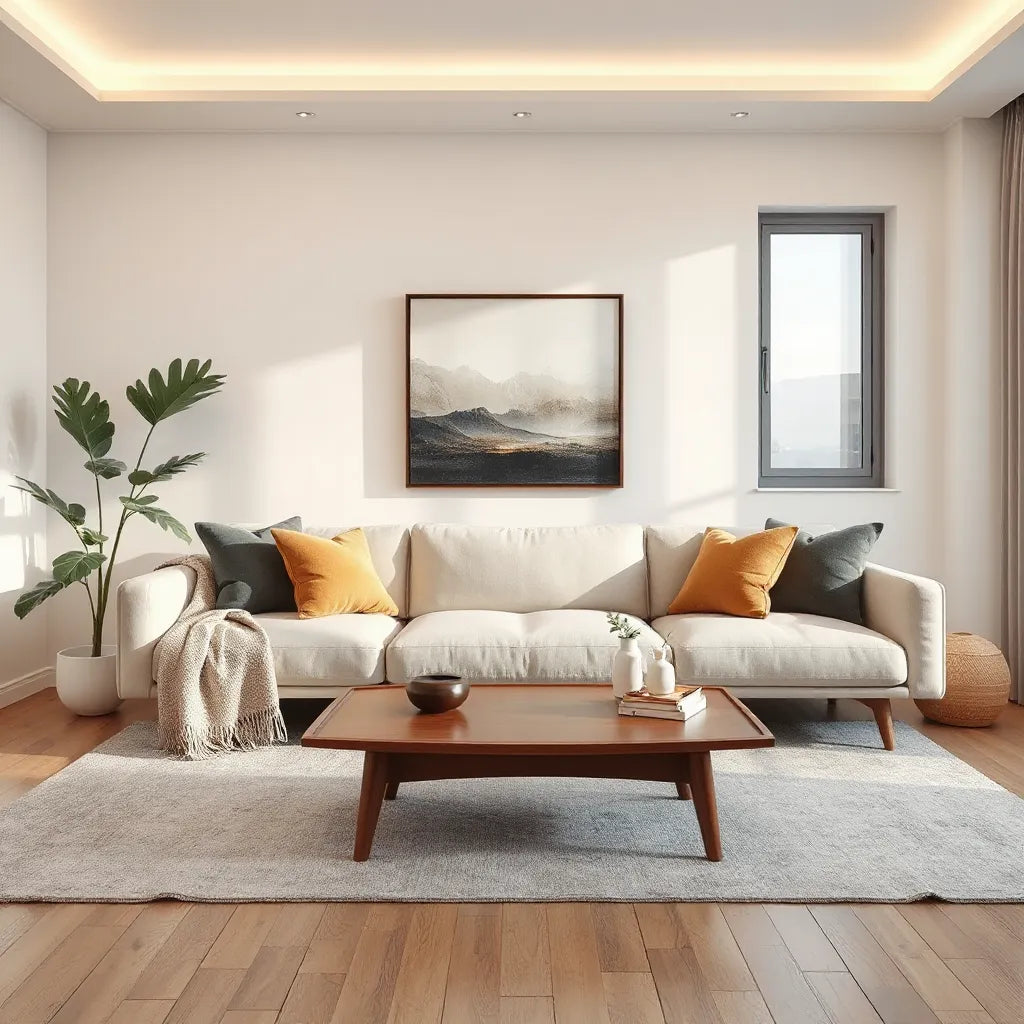
Layered textiles, neutral palette, and clean lines
How-To Guide: Build a Contemporary Living Room
This method is designed to make planning simple and repeatable. Follow it in order, and you will avoid common mistakes like oversized decor, mismatched undertones, and lighting that does not suit the room’s tasks.
1. Define the purpose of the space
Write down what the room must do. Typical needs include conversation seating, TV viewing, reading, and entertaining. Your answer determines the distance between sofas, the size of the rug, and how many light sources you need.
2. Choose a neutral base with controlled contrast
Select a primary palette using upholstery and wall-adjacent tones. Think of shades such as warm white, greige, taupe, charcoal, or muted stone. Then add one or two contrast directions, such as black hardware, deep brown accents, or a restrained cool gray note.
3. Set the “anchor” layout before buying decor
Arrange furniture so the walking paths stay clear. Use the sofa as the main anchor. Confirm that chairs face the sofa at a comfortable angle. If you use a coffee table, align it with the center of the seating arrangement.
4. Add texture through textiles and finishes
Contemporary living rooms often feel inviting because of layered textures. Pair smooth surfaces with softer ones: a tightly woven rug, a boucle or linen blend throw, and curtains with gentle drape. Keep textures in a limited range to avoid visual chaos.
5. Plan lighting for both mood and function
Use multiple layers: overhead or ambient light, task light for reading, and accent light for artwork or architectural features. Place floor lamps near seating zones. Consider the direction of light so it does not glare on screens.
6. Style with a limited number of focal points
Choose one main wall or one main surface to style. Use the rest as a calmer background. In contemporary rooms, fewer objects often look more intentional.
Color, Texture, and Lighting Principles
Contemporary living room decor works best when color decisions are deliberate. A room can be neutral and still feel expressive, as long as you vary undertones and textures. Avoid using multiple bright colors at once. Instead, introduce saturation slowly through accents like cushions, a single vase, or a patterned rug.
Texture provides the richness that color alone cannot. You can build depth by mixing matte and subtle sheen. For example, pair a smooth leather or performance fabric sofa with a soft rug pile. If you use metal accents, keep the finish consistent, such as brushed or matte black, and repeat it in one or two additional locations.
Lighting should reinforce the room’s rhythm. Ambient light sets the overall tone. Task light supports activities. Accent light adds dimension. For a contemporary look, choose fixtures with clean lines and avoid overly ornate designs.
If you are upgrading a key lighting element, you can browse statement options on vintage branch crystal chandelier to see how a refined silhouette can elevate a living room. Use it as inspiration for scale and fixture presence, then ensure the rest of the room stays restrained.

Three-layer lighting: ambient, task, and accent
Layout and Scale: Where Most Designs Succeed or Fail
Scale issues often cause a room to feel awkward even when the decor looks attractive in isolation. Contemporary living rooms require visual consistency. Furniture should look proportional to wall lengths, ceiling height, and the overall footprint.
Start with seating depth. A sofa should allow comfortable movement around it without blocking sight lines. If you host guests often, choose seating that supports conversation. When you add a coffee table, keep it within a sensible height range so it does not interrupt legroom or reach comfort.
Rugs create structure in open-plan spaces. For contemporary design, the rug should define a seating zone clearly. Ideally, the front legs of the sofa and chairs sit on the rug. If the rug is too small, the room can feel disjointed. If it is too large, it may overwhelm a compact space.
Consider the media or console wall as another scale anchor. A minimal console can work well, but it should not look too narrow for the wall. If you need storage, select a piece with a clean front and consistent proportions. Contemporary aesthetics reward simplicity and symmetry, but they can also accommodate gentle asymmetry if balance is maintained.
When you want a modern, low-profile console idea, consider browsing minimal TV console style as a reference point. Compare dimensions in your room and look for a similar visual language: simple lines, calm surfaces, and practical storage.
Accent Strategy: Art, Rugs, and Styling Without Clutter
Accents are where contemporary living room decor gains character. However, contemporary style does not rely on large amounts of decor. It relies on well-chosen pieces with a clear purpose.
Artwork should follow a simple rule: size matters. A small frame on a large wall often looks accidental. Instead, select a grouping or a single statement piece that creates a balanced visual block. If you use multiple pieces, align them by common spacing and keep frames consistent in finish.
Mirrors can add light and depth, but they should match the overall aesthetic. Choose shapes with clean edges. Place mirrors so they reflect a desirable element such as a lamp or a well-styled corner.
Textiles are high impact and easy to refresh. Add a throw blanket with a subtle texture. Use cushions to introduce your second accent color, but keep the count controlled. A common contemporary approach uses two to three cushion styles repeated across the sofa, with one design acting as the focal pattern.
Greenery is a strong ally for contemporary spaces when selected thoughtfully. Use plants with a modern silhouette. Keep the pot finish neutral and repeat it elsewhere if possible. If you prefer not to use live plants, use a realistic artificial option that maintains natural leaf shapes and consistent color.
Finally, consider the coffee table and surfaces. Contemporary style benefits from clear, clean lines and limited surface clutter. Use a tray for small items, and keep the number of decorative objects low. A single stack of books plus one sculptural element is often more convincing than many small pieces.
For readers who want a refined look anchored by a practical centerpiece, you can explore inspiration from modern oval coffee table design. Treat it as a guide for how material contrast can look contemporary: a calm base, a visually interesting top, and a simple silhouette. Then adapt your selection to fit your room proportions and comfort needs.
Common Questions Answered
How do I make a contemporary living room feel warm instead of cold?
Warmth usually comes from texture and lighting. Choose soft textiles such as rugs with a comfortable pile and curtains with drape. Add layered lighting with warmer bulb temperatures and include a floor lamp near seating. Even with a neutral palette, these adjustments create comfort without changing the contemporary structure.
What is the best color palette for contemporary living rooms?
A reliable approach uses a neutral base with controlled contrast. Greige, warm white, charcoal, and stone tones work well. Then add one secondary accent, such as muted navy, deep green, or bronze, but keep it limited to cushions, a single wall detail, or small decor objects. This prevents the room from becoming visually busy.
How many decorative items should I use on shelves and coffee tables?
Use fewer items than you think you need. Aim for one or two intentional focal objects on each major surface. Group smaller elements on a tray or in a single cluster. This creates a deliberate look and makes the room easier to maintain. If you are unsure, reduce first, then adjust.
What rug size works best for a sofa and chairs arrangement?
Choose a rug that defines the seating zone. A common guideline is that the front legs of the sofa and chairs should rest on the rug. Measure the room carefully and prioritize correct width and length over exact style. When the rug is properly sized, the contemporary layout will look grounded and cohesive.
Summary & Next Steps
Contemporary living room decor succeeds when you treat the room as a system: layout first, then a neutral foundation, then texture and lighting, and finally a controlled accent plan. You do not need many items to achieve a modern result. Instead, focus on proportion, consistent finishes, and a small set of well-chosen focal points.
Your next step is to audit your current room. Confirm the seating layout, check whether your rug size matches the seating zone, and review your lighting layers. After that, choose two upgrades: one styling element and one functional element. When changes are made in this order, the room improves quickly and remains visually coherent.
If you want to see contemporary-inspired furniture and decor concepts, you can compare pieces and finishes on SellHots and apply the same design logic to your own measurements.
About the Author
SellHots is a commerce-focused team with expertise in home aesthetics, practical styling, and product selection for modern interiors. The approach emphasizes balanced design decisions that support comfort, durability, and visual clarity. If you are planning a refresh, use the steps above to build a room that looks current and feels livable. Thank you for reading, and may your living space reflect both style and function.
Disclaimer: This article provides general design guidance for contemporary interiors. Results depend on room size, existing furniture, personal preferences, and lighting conditions. Always measure carefully and follow manufacturer instructions for installation and safety.
The content in this blog post is intended for general information purposes only. It should not be considered as professional, medical, or legal advice. For specific guidance related to your situation, please consult a qualified professional. The store does not assume responsibility for any decisions made based on this information.