Modern Dining Solutions for Every Space and Style
Updated on: 2026-06-21
Modern dining solutions help households balance comfort, function, and style. The best setups improve flow, lighting, and storage without creating visual clutter. Smart material choices also support easy cleaning and long-term durability. With a clear plan, you can upgrade your dining space in stages while staying within practical budgets.
Table of Contents
Introduction
Modern dining solutions are not only about aesthetics. They are about designing a space that works for daily meals and special occasions. A well-planned dining area improves comfort, reduces friction during hosting, and makes cleaning easier. It also supports long-term changes, such as family growth or more remote work at home. This guide explains practical design decisions you can apply immediately, using a confident, systems-based approach to dining layout, lighting, seating, and storage.
Because dining rooms often sit at the center of home life, small improvements can create a large impact. You can start by solving the most common issues: poor sightlines, uncomfortable seating height, weak task lighting, and insufficient organization. Then you can refine materials, textures, and surfaces to match your lifestyle.
Product Spotlight
A strong foundation for modern dining solutions is a table that supports both usability and visual balance. One example from SellHots is a modern centerpiece option that pairs practical form with durable presentation: modern oval living room table. Even when used as a dining-adjacent surface, its design language supports contemporary styling and can help you create a cohesive look across the living and dining zones.
Key benefits for dining-focused layouts:
- Clean visual lines: A pedestal-style base can open up leg room and improve movement around chairs.
- Surface-friendly look: A faux marble top style visually elevates the space and pairs well with both warm and cool color palettes.
- Design cohesion: Modern styling helps you coordinate lighting, wall color, and seating fabric without constant redesign.

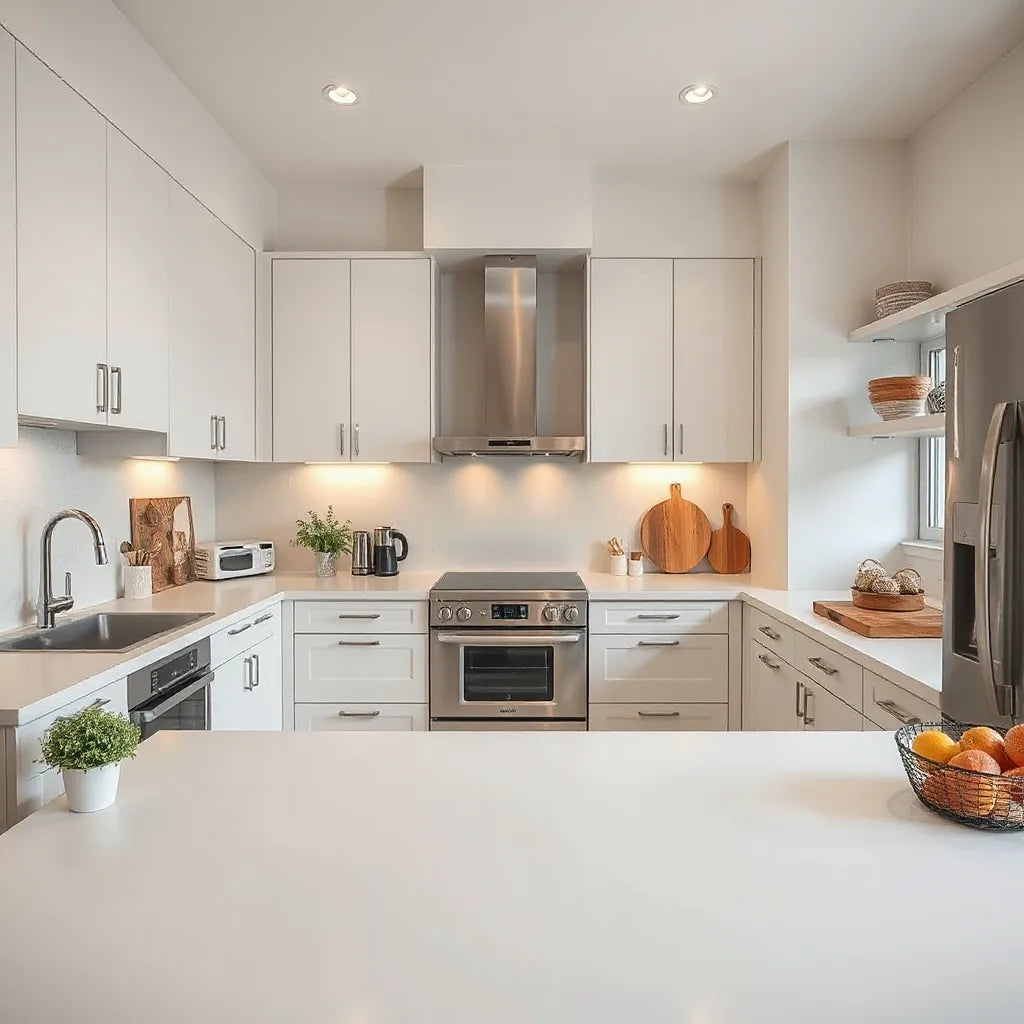
Dining layout concept: light, seating flow, and storage icons
Step-by-Step How-To
To implement modern dining solutions, treat the project like a workflow design. You want the space to support repeated actions: serving, clearing, conversation, and cleaning. Follow these steps to make decisions in the right order.
1) Measure for movement and sightlines
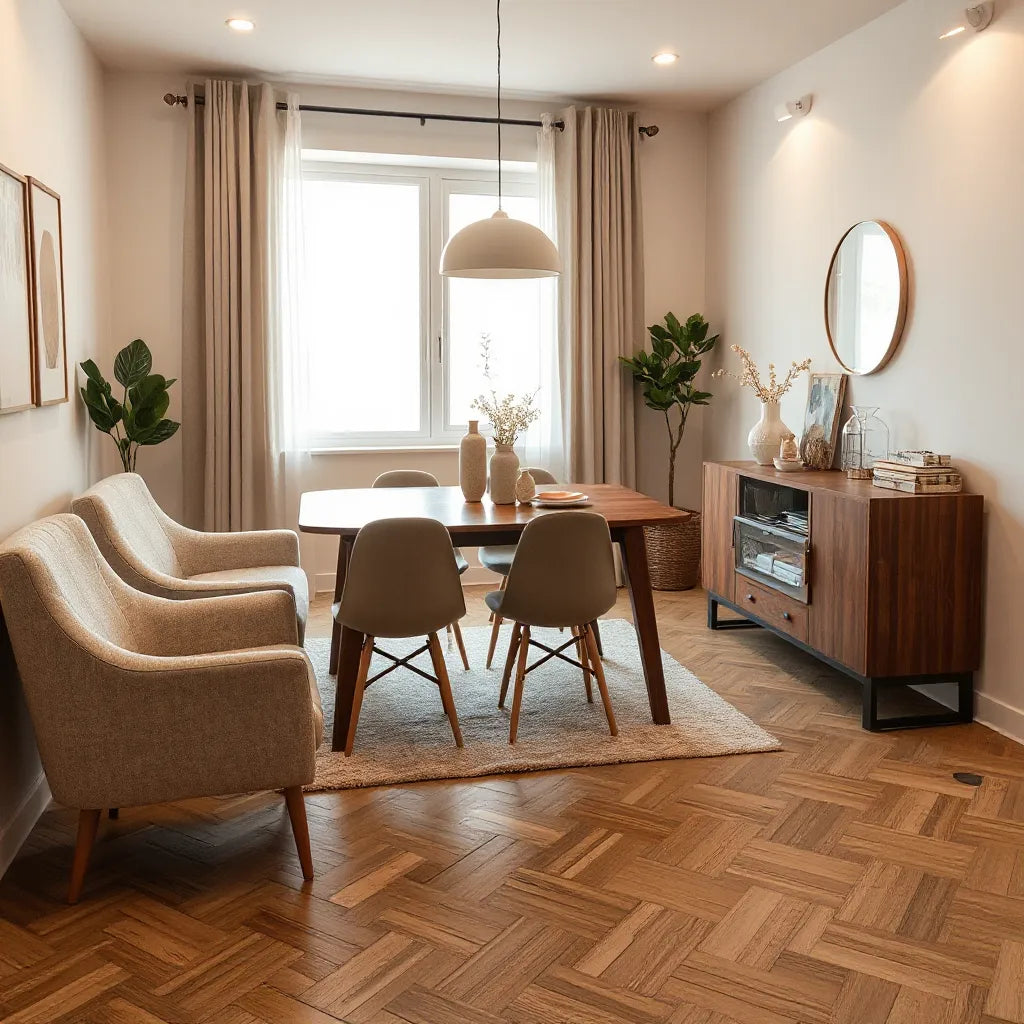
Start with realistic measurements. Record the distance from table edges to walls, the pathway from kitchen to dining, and the space needed for chair pulls. Also check sightlines from where people sit to where you place sideboards, mirrors, or wall art. Good sightlines keep conversation comfortable and reduce the need to lean or twist during meals.
2) Choose the table size by hosting style
Select a table based on typical hosting, not only daily use. If you host frequently, consider shapes and configurations that support flexible seating. If space is limited, prioritize a layout that allows chairs to pull out smoothly and that keeps high-traffic routes clear.
3) Match chair comfort to your routine
Seating is the center of the experience. Aim for comfortable back support and consistent seat height. If you use the dining area for longer conversations or family homework time, seating comfort becomes the decisive factor. Also consider chair materials that resist stains and are easy to wipe down after busy meals.
4) Upgrade lighting to improve mood and clarity
Lighting is a major driver of perceived quality in modern dining solutions. Use layered lighting: an ambient source for overall visibility and a focused source that supports serving and conversation. Pendant lighting works well when centered and aligned with table geometry. If you prefer a statement look, a dining chandelier style can create a focal point, but it must not obstruct views across the table.
If you want a chandelier direction, you can explore options like long dining chandelier styles for inspiration on how focal lighting changes the room. Keep the focus on scale and height, not on decorative excess.
5) Create a serving zone and a clearing zone
Many dining rooms feel stressful during meals because people do not know where to place items. Build two zones. A serving zone near the kitchen connection reduces carrying distance. A clearing zone near storage improves organization and shortens cleanup time. Use a console, cabinet, or side surface to keep frequently used items close.
6) Use storage to reduce visual clutter
Well-designed storage supports modern dining solutions because it keeps everyday items from spreading across tabletops. Choose closed storage for items that do not need to be displayed. Use compartments for small items like placemats, coasters, napkins, and serving utensils. When surfaces are clear, lighting and decor look intentional rather than crowded.

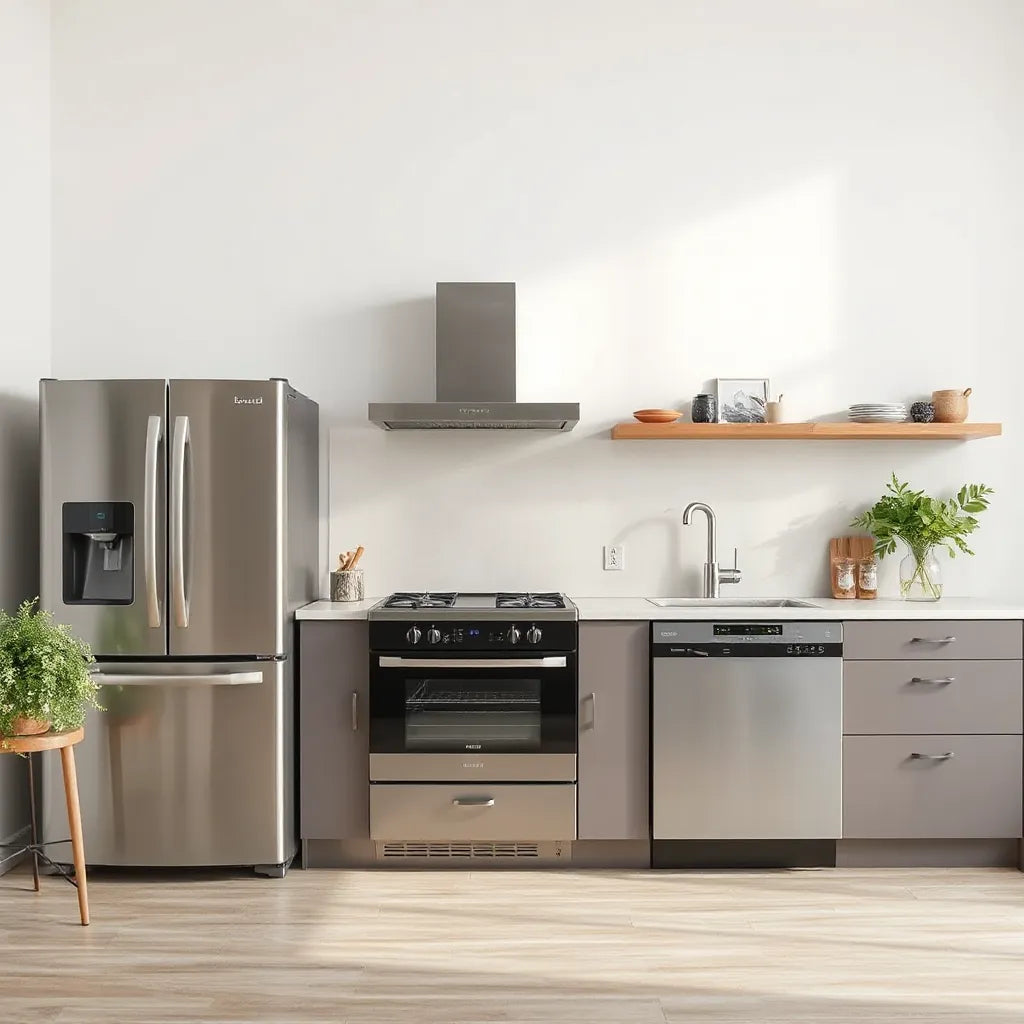
Lighting and organization concept: layered glow and drawer compartments
7) Select materials that clean easily
Choose finishes that match your cleanup habits. For example, wipeable surfaces help with daily maintenance. Stain-resistant fabrics improve long-term usability. For high-traffic households, prioritize surfaces that can handle spills without intensive care. This is one of the most practical modern dining improvements because it protects both appearance and comfort over time.
8) Add texture and color using repeatable rules
After layout, lighting, and storage are stable, you can refine style. Use a repeatable pattern: one dominant neutral, one secondary accent, and one texture that adds depth. Textures like wood grain, matte finishes, or soft textiles create a layered look without requiring frequent replacements. If you are unsure, coordinate with your existing flooring and kitchen tones.
9) Build flexibility for seasonal hosting
Seasonal hosting changes table styling, but the structure should remain stable. Keep a small set of adaptable decor elements such as neutral table linens and simple centerpieces. If you use seasonal colors, store them in labeled bins. This approach protects the everyday look while allowing easy upgrades when guests arrive.
For a broader perspective on home modernization, you may also review this article: Smart Bathroom Renovation Solutions for Modern Homes. The shared principle is the same: modern home improvements work best when function leads and design follows.
Personal Experience
In a previous home setup, I underestimated how much layout affects dinner flow. The table looked attractive, but the serving area was too far from where people naturally stood. When guests arrived, everyone ended up forming an informal line, and conversation became harder because people kept stepping around each other. After adjusting the layout, the atmosphere changed quickly. The serving zone became obvious, and chairs no longer blocked movement.
The second improvement was lighting. I replaced a single overhead light with a more layered approach. The dining space felt more inviting, and tasks like placing plates and passing dishes became easier. With the lighting clarified, the room stopped looking flat and started looking intentional. That is when I recognized that modern dining solutions are mostly about reducing friction in small moments.
Finally, I simplified storage. I moved frequently used items into a nearby cabinet and kept the tabletop for decorative purposes only. Cleanup time dropped significantly, and the dining area looked polished even on regular weekdays.
Summary & Recommendations
Modern dining solutions deliver value when they address daily workflows: movement, comfort, lighting, and organization. Start with measurement and layout. Then select table and chair dimensions that match your routine. Upgrade lighting using layered planning and appropriate height. Finally, reduce clutter through storage and choose materials that clean easily. These steps create a dining area that feels consistent, welcoming, and practical.
Recommendations you can apply immediately:
- Plan your dining layout around pathways and sightlines.
- Use layered lighting to balance mood and task clarity.
- Design serving and clearing zones to support hosting.
- Prioritize wipeable and stain-resistant materials for daily usability.
If you are ready to refine your space, explore complementary design elements at SellHots and select options that align with your layout and aesthetic goals.
Q&A Section
What are modern dining solutions in practical terms?
They are design choices that improve how the dining space functions. This includes layout planning for movement, seating comfort, lighting that supports visibility, and storage that limits clutter. The goal is to make daily use easier and hosting more organized.
How do I choose lighting for a dining area without overdesigning it?
Start with the table as your focal reference. Choose a pendant or chandelier scale that matches table width. Confirm hanging height so that views across the table remain open. Then add ambient lighting so the room feels balanced rather than harsh.
Which materials are best for easy cleaning in a dining space?
Look for wipeable surfaces and finishes that tolerate routine spills. For seating, select fabrics that are stain-resistant or choose materials that can be cleaned quickly. For tables, prioritize smooth surfaces and protective top layers that support regular maintenance.
How can I make a small dining area feel modern and spacious?
Use a streamlined table base to preserve leg room and clear pathways. Keep color palettes simple and coordinate textures carefully. Reduce visual clutter with closed storage and avoid oversized decor. Good lighting placement also helps small rooms feel taller and more open.
About the Author Section
SellHots is a commerce-focused brand with expertise in contemporary home styling and practical space planning. The team focuses on helping customers choose functional pieces that support everyday life and hosting needs. This post reflects a design-first approach to modern living. Thank you for reading and for considering SellHots for your next dining upgrade.
The content in this blog post is intended for general information purposes only. It should not be considered as professional, medical, or legal advice. For specific guidance related to your situation, please consult a qualified professional. The store does not assume responsibility for any decisions made based on this information.