Stylish Lighting Fixtures: Tips to Choose the Right Look
Updated on: 2026-07-13
Choosing stylish lighting fixtures is more than a visual decision. The right fixtures improve comfort, support daily routines, and elevate the design character of a space. This guide explains how to plan lighting in layers, select shapes and finishes that match your interior style, and avoid common installation mistakes. You will also find practical tips for brightness, beam control, and maintenance, plus a short set of next steps to apply immediately.
Practical Guide
Define the room function and lighting role
Before you compare styles, determine what the space must accomplish. A living room usually needs general illumination for comfort and task lighting for reading or conversation. A dining area often benefits from a focused statement source that frames the table. In bedrooms, soft ambient light supports relaxation, while bedside task lighting improves usability.
Think in roles rather than fixtures. Use ambient lighting for overall brightness, task lighting for precise activities, and accent lighting to add depth. When you select stylish lighting fixtures based on role, your layout remains coherent even as you vary shapes, heights, and finishes.
Map lighting layers for balance and control
Lighting that looks good in a store display can perform poorly in a real room if it is not layered. A reliable plan balances three layers:
- Ambient layer: ceiling-mounted fixtures or recessed sources to create even coverage.
- Task layer: adjustable fixtures near seating, desks, or vanity mirrors.
- Accent layer: wall grazing, narrow beam direction, or decorative elements that highlight architecture or artwork.
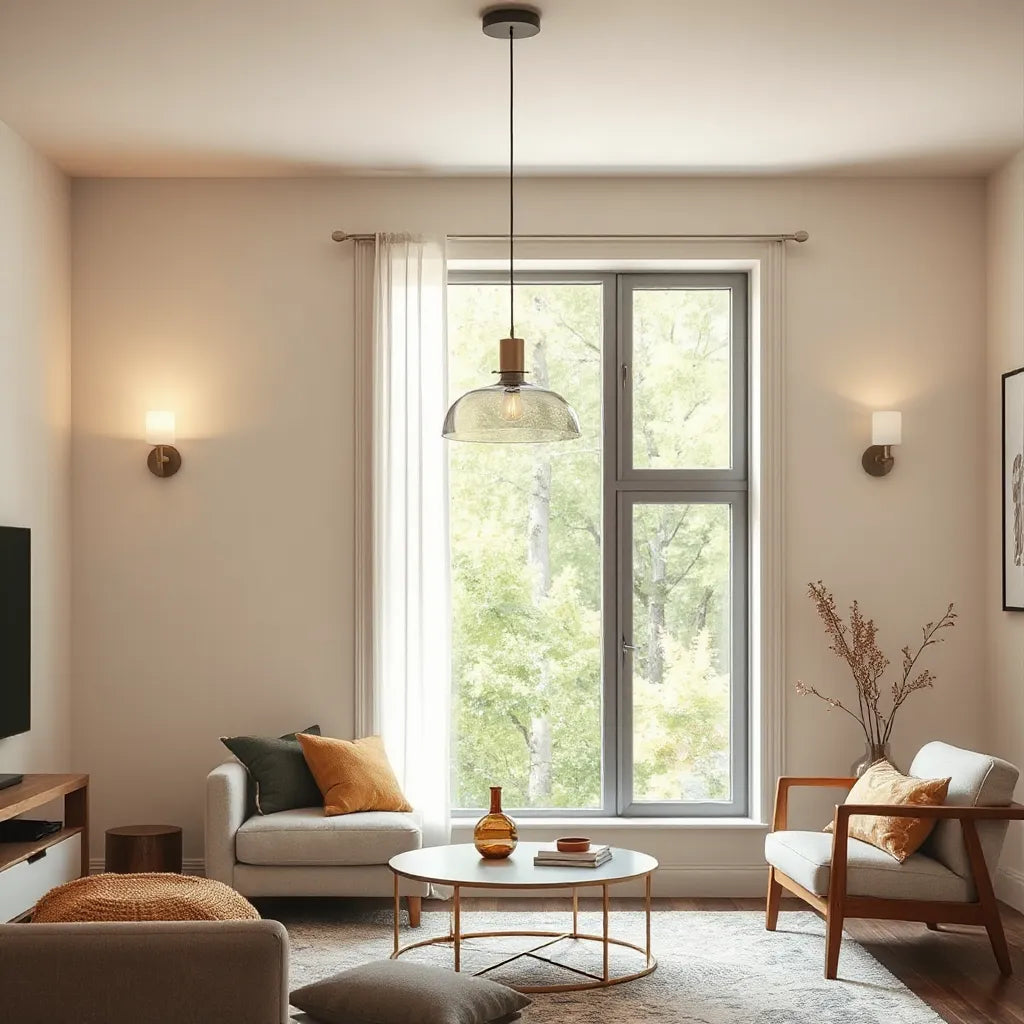
Layering also improves control. You can dim ambient light while keeping task brightness where it is needed. That flexibility is a core design advantage of many modern stylish lighting fixtures, especially when combined with dimmable bulbs and smart switches.
Select scale and proportion that fits the architecture
Proportion determines whether lighting feels intentional or intrusive. For pendants or chandeliers over dining, the fixture should complement the table size and ceiling height. As a general principle, maintain clear visual separation between the light source and surrounding elements. In rooms with low ceilings, you may prefer flush or semi-flush designs to preserve headroom.
When comparing styles, also consider visual weight. A fixture with intricate details can anchor a room, while a simpler profile can keep attention on furniture and wall textures. If your décor includes many patterns, choose finishes and silhouettes that add structure without adding chaos.

Layered lighting diagram with ambient, task, accent icons
Coordinate finishes with other metals and textures
Stylish lighting fixtures should feel like part of the same material language as the room. Start by identifying dominant finishes such as brushed stainless steel, matte black, brass tones, or warm wood. Then select lighting metals that either match closely or intentionally contrast.
Finish matching does not require perfect duplication. In many interiors, one metal can be used as the primary accent, while a secondary metal appears in smaller hardware details. The goal is visual harmony, not uniformity. Pay attention to undertones as well. Warm brass-like finishes typically pair well with warm woods and beige fabrics, while cooler black or silver tones often align with gray stone and minimalist palettes.
Choose brightness and color temperature for comfort
Brightness should fit the activity, not the trend. For ambient coverage, select a moderate range that supports movement without glare. For task areas, increase brightness slightly and prioritize beam control to reduce harsh shadows. For accent lighting, use lower brightness with directional focus to create highlights.
Color temperature strongly affects perceived atmosphere. Warmer tones often support cozy evenings, while neutral tones can improve clarity for daytime tasks. If you are unsure, test bulbs in the intended room and observe how light interacts with paint and flooring. Small changes in color temperature can shift the mood of the entire space.
Match the fixture design language to your décor
Style coherence is where stylish lighting fixtures deliver maximum impact. If your interior uses clean lines and neutral surfaces, select fixtures with minimal ornamentation and simple geometry. If your décor is traditional, focus on classic shapes, curated materials, and balanced proportions. For modern spaces, prioritize sleek profiles, clear lines, and controlled contrast.
To evaluate a fixture, ask two questions. First, does it share the same design language as your furniture and architectural features? Second, does it support the room’s focal points, or does it compete with them? A well-chosen fixture becomes a visual anchor, improving the sense of order.
Plan placement height and installation safety
Placement rules prevent glare, shadows, and awkward sightlines. Ensure clearance from seating and maintain consistent sight height for pendants. Over dining, adjust pendant drop so that the light highlights the table without obstructing conversation. For ceiling-mounted fixtures, avoid placing sources too low where they may interfere with movement or appear visually heavy.
Safety is equally important. Use correct mounting hardware, confirm compatibility with existing electrical boxes, and follow local building requirements. If the wiring needs changes, consult a qualified professional. Reliable installation protects your investment and preserves safe operation.
Use dimming and zones to maximize usability
Dimming expands what one room can do. A space can shift from lively and bright to calm and subtle without changing furniture arrangement. Create zones so that each functional area can be tuned independently. This approach reduces energy use and prevents over-illumination.
When selecting fixtures, verify compatibility with dimmable bulbs and existing switches. If you use smart controls, check that the fixture type works with the chosen ecosystem. The result is a controllable lighting experience that feels both stylish and practical.

Ceiling layout sketch showing fixture spacing and beam direction
Key Advantages
Design impact without major renovation
Stylish lighting fixtures provide visible transformation with relatively low disruption. Swapping a dated ceiling source or adding pendants can refresh the room’s appearance while leaving your layout intact. Because lighting affects perceived color and contrast, the same paint and furniture can look new after a thoughtful fixture update.
Better comfort through improved visual ergonomics
Good lighting reduces fatigue and improves task performance. When brightness and beam angle are appropriate, you can read, cook, and work with fewer distractions. Layering also prevents overly dark corners and harsh glare. For many homes, lighting quality becomes a daily comfort upgrade rather than a purely decorative choice.
Greater flexibility through layered control
Ambient, task, and accent sources enable tailored atmospheres. Stylish lighting fixtures often work well with dimmers and smart controls, allowing you to adjust mood without rewiring. This flexibility supports different routines, such as focused work, relaxed evenings, and entertaining.
Durability and maintainability when selected well
Many modern fixtures are designed for long-term service, using materials that resist discoloration and simplify cleaning. Choose finishes that tolerate regular dusting. For decorative surfaces, use care routines that match the material type. A maintainable design keeps the fixture attractive and prevents gradual buildup of grime that can reduce light output.
Stronger styling coherence across rooms
Consistency in finish families and design language creates a unified home. Even when rooms differ in size and purpose, repeating metal undertones or silhouette families creates a polished effect. When stylish lighting fixtures follow a common design logic, the result feels intentional rather than accidental.
Summary & Next Steps
Stylish lighting fixtures improve both beauty and functionality when you select them by role, scale, and finish coordination. Build your layout in layers: ambient for overall comfort, task for precision, and accent for depth. Then confirm placement height, brightness, and installation safety. Finally, add dimming or zoning so the lighting can adapt to different routines.
If you want a fast starting point, choose one room and complete a simple audit: identify where shadows occur, determine where glare should be avoided, and shortlist two or three fixture styles that match your décor language. From there, plan spacing and test bulb color temperature before finalizing. This approach turns lighting upgrades into predictable outcomes.
For additional interior inspiration, you may also explore coordinated home décor items on SellHots. If you are updating a focal area, consider pairing a lighting statement with complementary furnishings from the same design direction. You can begin with practical upgrades such as a pendant focus for dining, for example: vintage bird dining chandelier. For living rooms, a balanced table setup can support the lighting plan, such as a minimalist TV console to maintain visual clarity.
Q&A Section
How many stylish lighting fixtures do I need in a typical living room?
A common approach uses one ambient ceiling source plus one or two task elements such as floor lamps or adjustable wall fixtures near seating. Accent lighting can be added if the room has artwork, shelving, or architectural details worth highlighting. Start with two layers first, then add the third once you understand where shadows appear.
What is a reliable method to choose brightness without over-illumination?
Select brightness based on the activities that dominate the room. Use a moderate ambient level for general coverage, then increase brightness only in task zones. Evaluate the fixture in the actual room conditions, since surface colors and ceiling heights affect perceived brightness. If glare occurs, adjust fixture height, beam direction, or choose a diffused design.
Which color temperature best suits modern interiors?
Neutral to warm color temperatures often suit modern interiors because they maintain a natural look while supporting comfort. Warm tones enhance evening ambience, while neutral tones support daytime clarity. The best choice depends on your wall paint and flooring undertones, so testing bulbs in the space is the most reliable method.
Are decorative chandeliers considered practical, or only ornamental?
Decorative chandeliers can be practical when they provide adequate ambient light and the beam spreads appropriately. A well-designed fixture contributes to overall brightness while serving as a focal point. If the chandelier is primarily decorative, add task lighting nearby to ensure functional performance.
About the Author
SellHots
SellHots specializes in lifestyle home upgrades and interior styling guidance, with expertise in how design choices influence daily comfort and visual harmony. The team focuses on practical, design-forward recommendations for homeowners and space planners. For lighting decisions, the priority is balance between atmosphere, usability, and consistent material language. Thank you for reading, and use the steps above to plan a lighting update with confidence.
Disclaimer: This article provides general guidance for selecting and planning home lighting. Always follow manufacturer instructions and local electrical requirements. For electrical changes beyond basic replacement, consult a licensed professional.
The content in this blog post is intended for general information purposes only. It should not be considered as professional, medical, or legal advice. For specific guidance related to your situation, please consult a qualified professional. The store does not assume responsibility for any decisions made based on this information.