Smart Home Appliances: A Practical Buyer’s Checklist
Updated on: 2026-06-30
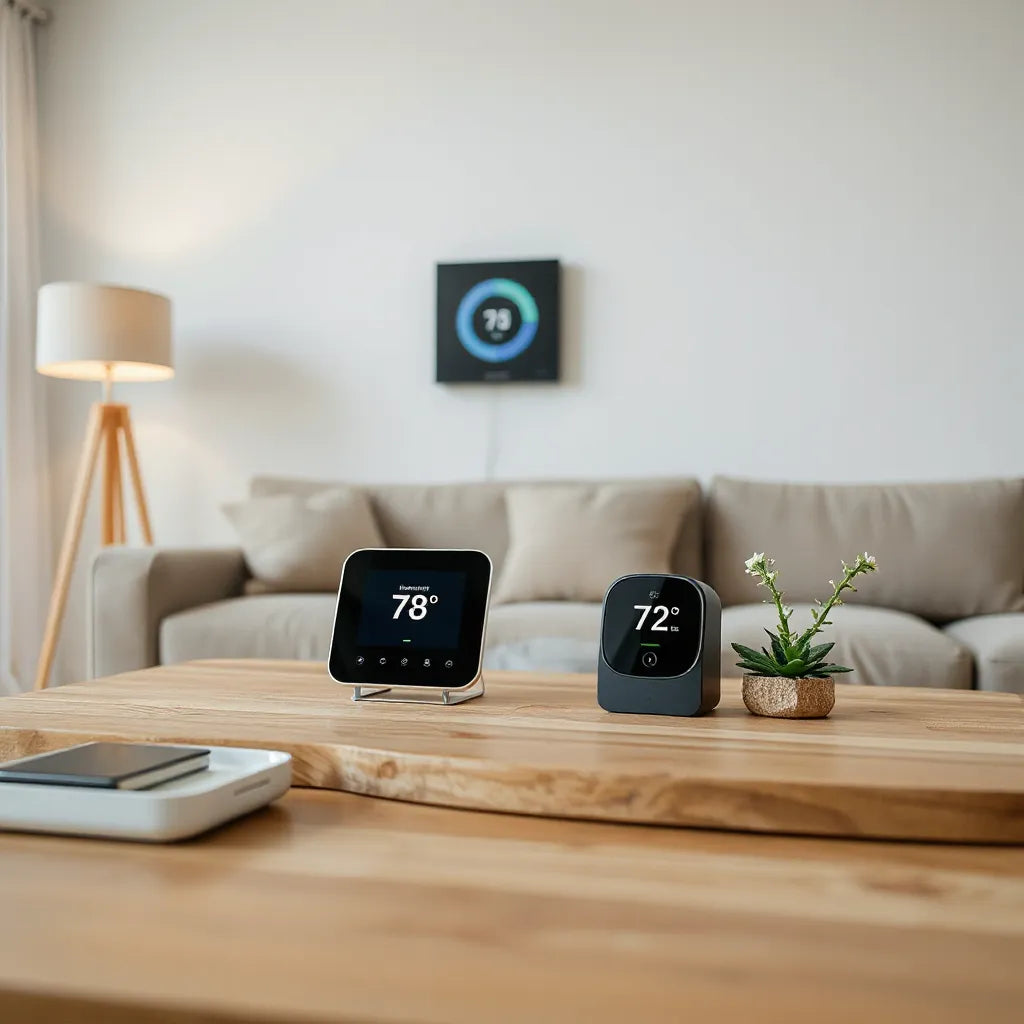
Smart home appliances can make daily life more efficient by automating routine tasks and improving energy use. The best results come from selecting devices that match your home layout, routines, and security expectations. A reliable setup depends on Wi-Fi stability, clear automation rules, and consistent firmware updates. This guide explains key benefits, common pitfalls, and practical steps to plan, connect, and maintain a connected appliance ecosystem.
Smart home appliances have moved beyond novelty. Today, connected devices can streamline lighting, climate control, cleaning routines, and even water management, all through automation and remote access. However, the value you gain depends on how you choose, install, and operate these devices. In this post, you will learn how to evaluate smart appliance features, avoid setup issues that reduce performance, and build a safer, more dependable system that supports your household needs.
Common Mistakes to Avoid
Many smart home upgrades fail to deliver lasting value because the planning step is skipped. Before purchasing, confirm device compatibility with your chosen ecosystem. If your plan involves voice control, mobile apps, or third-party automation, verify support for common protocols such as Zigbee, Z-Wave, Matter, or local control options. When you ignore compatibility, you may end up with multiple apps and limited automation, which can reduce usability.
Another frequent issue is assuming that Wi-Fi coverage alone will solve connectivity. Thick walls, multiple floors, and crowded 2.4 GHz channels can cause intermittent disconnects. When devices disconnect, automations can fail or delay. A stable network improves responsiveness for sensors, thermostatic devices, and appliance controllers.
Security oversights also create unnecessary risk. Using weak passwords, leaving default credentials in place, or enabling remote access without understanding its scope can be problematic. Smart devices should receive regular firmware updates and should be managed under a principle of least privilege, especially when you allow access from outside your home network.
Finally, people often over-automate. Excessive schedules and complex triggers can create loops, unexpected changes, and manual overrides. A system should support your daily habits, not compete with them. Start with a few high-impact automations and expand only after you confirm reliability.

Diagram of network reliability and connectivity checks
Pros & Cons Analysis
Key benefits for everyday households
- Improved convenience through remote control and timed routines.
- Smarter energy usage when devices coordinate heating, cooling, and standby modes.
- Better visibility into device status, alerts, and operating modes.
- Reduced waste when appliances use sensors to optimize cycles and durations.
- Scalability: you can add components over time without redesigning the entire setup.
Practical limitations to consider
- Setup complexity can be higher than standard non-connected appliances.
- Connectivity issues may appear if your network is crowded or unstable.
- Some features depend on cloud services, which may change over time.
- Interoperability is not guaranteed across brands, even if devices are marketed as “smart.”
- Ongoing maintenance is required, including firmware updates and occasional re-pairing.
A balanced perspective is essential. Smart appliances can deliver measurable convenience and often improve efficiency, but only when the system is stable and the device choices align with your automation goals. If you treat connected appliances like a hobby rather than a functional infrastructure, you may encounter frustration.
Where smart appliances create the most value
Connected appliances tend to perform best when they support repeatable tasks. Examples include scheduled cleaning windows, temperature setbacks during low occupancy, and notifications when filters require attention. Systems also shine when they reduce uncertainty. If an appliance can report status clearly, you can act sooner and prevent problems from escalating.
How to evaluate device features objectively
Use a simple checklist. First, confirm the control method you want, such as app control, voice control, or local automation. Second, review whether the device supports sensors that match your environment, including occupancy, humidity, motion, and leak detection. Third, examine how the device handles offline scenarios. Some systems continue schedules without internet access, which improves reliability.
When you also think about design harmony, the installation plan becomes easier. For example, if you are upgrading lighting or ambience, coordinating aesthetic and functional requirements can reduce rework. You may also explore MURANO-lighting for a structured approach to home accessory planning, even if your main focus is appliance automation.

Home map with zones for automation and alerts
Quick Tips
Use these steps to plan a smarter, smoother rollout of smart home appliances. Each recommendation is designed to reduce friction and increase reliability without overcomplicating the process.
Start with a clear use case
- Choose one routine that happens often, such as morning climate warmup or evening cleaning.
- Define what “success” looks like, such as fewer manual steps or more consistent results.
- Write down priorities: convenience, energy savings, comfort, or safety alerts.
Build a network first mindset
- Place your router centrally and reduce dead zones.
- Consider mesh coverage if you have multiple floors or thick walls.
- Prefer stable connections for critical devices when possible.
Use reliable automation rules
- Keep triggers simple. Use one condition per automation at first.
- Test each automation manually before relying on it.
- Use notifications sparingly so alerts remain meaningful.
Confirm updates and support policies
- Check whether the device receives firmware updates and how often.
- Enable automatic updates if the manufacturer supports it.
- Keep your app updated to maintain security and compatibility.
Standardize credentials and access
- Use strong, unique passwords for each account.
- Turn on multi-factor authentication when available.
- Limit who can control devices on shared accounts.
Think about safety and failure modes
- Look for sensors that detect water leaks, temperature extremes, or abnormal operation.
- Plan what happens when the internet is down.
- Keep a manual override option for critical functions.
Measure outcomes instead of chasing novelty
Smart home appliances are a long-term system. Track practical results such as reduced energy peaks, improved cleaning consistency, or fewer missed maintenance tasks. If performance does not improve, adjust schedules or reassess placement and automation logic.
Wrap-Up & Key Insights
Smart home appliances can make everyday tasks smoother, improve comfort, and support more efficient energy use. The advantage comes from making sound device choices, designing a stable connection environment, and using automation rules that match your routines. Avoid common pitfalls such as poor compatibility planning, unstable Wi-Fi, weak security practices, and overly complex automation. If you apply the steps above, your connected setup will be more dependable, safer, and easier to manage over time.
If you are expanding your home technology, approach it like a system upgrade: one use case, one reliable installation step, and one measured improvement at a time. This method produces better outcomes than rushing to add more devices without a clear plan.
Q&A Section
Are smart home appliances worth the investment for a small household?
Yes, smart appliances can be worthwhile even in smaller homes when you focus on high-frequency routines. Prioritize devices that reduce repeated manual steps, provide status visibility, or optimize energy use through scheduling and sensor-based control. If you start with a small set and ensure reliable connectivity, the benefits typically become clear quickly.
What is the most common reason smart appliances underperform after installation?
The most common cause is instability in connectivity or inconsistent network coverage. When devices frequently disconnect, automations may not trigger correctly and notifications may arrive late. A second common issue is incompatible ecosystems, which leads to fragmented control apps and limited automation. Addressing network coverage and compatibility first prevents most downstream problems.
How can I improve security for connected appliances without making the system hard to use?
Use strong unique passwords and enable multi-factor authentication when available. Apply firmware updates promptly and review which devices have remote access permissions. You can also reduce exposure by using local control features where supported. These steps strengthen protection while keeping daily interaction simple.
About the Author
In
SellHots
, our team focuses on practical home technology guidance and customer-first product insights. Our expertise centers on connected device planning, usability considerations, and the factors that influence performance over time. We aim to help you choose solutions that fit your real routines and deliver consistent results. Thank you for reading.The content in this blog post is intended for general information purposes only. It should not be considered as professional, medical, or legal advice. For specific guidance related to your situation, please consult a qualified professional. The store does not assume responsibility for any decisions made based on this information.