Premium Kitchen Storage Solutions That Maximize Space
Updated on: 2026-07-15
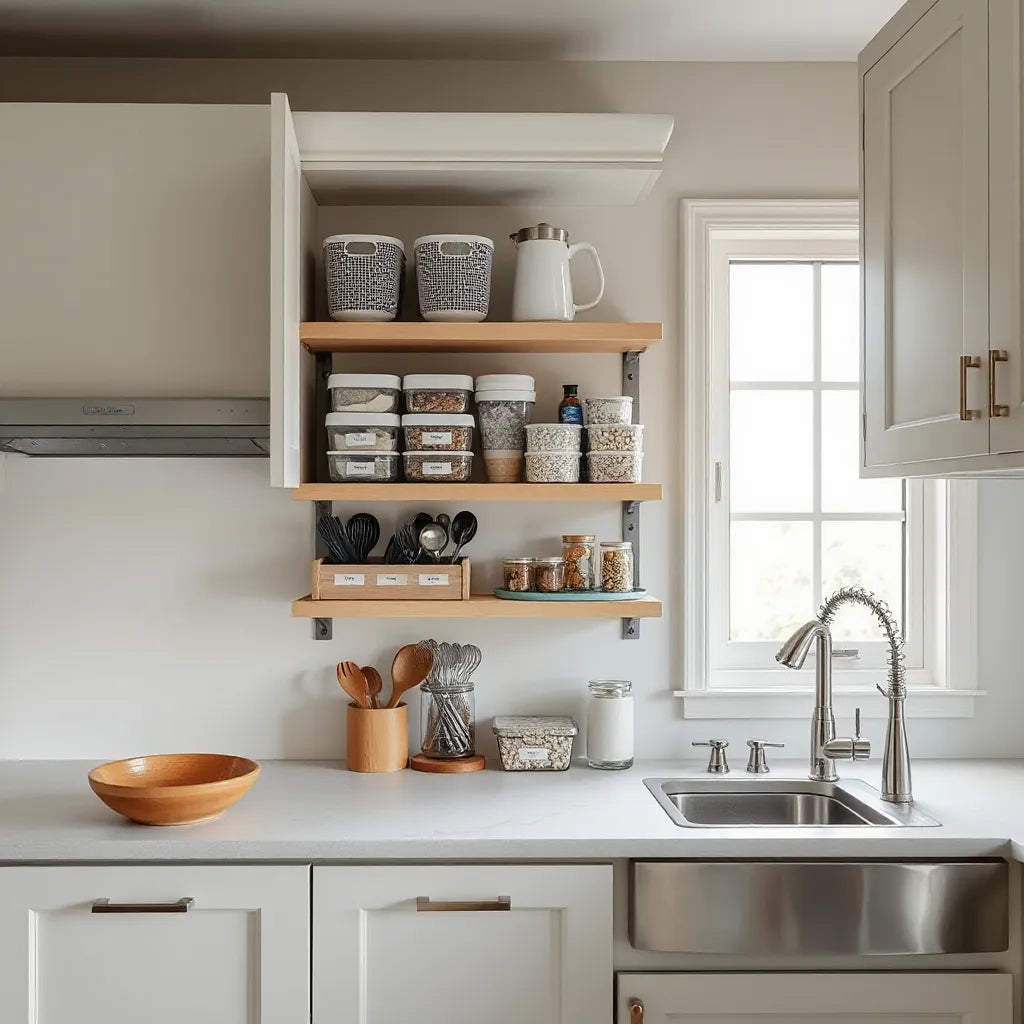
Premium kitchen storage solutions help you organize daily items with less clutter and faster access.
High-quality layouts and durable hardware improve usability, even in small kitchens.
Smart storage also supports hygiene by separating dry goods, cleaning tools, and waste management.
When your storage plan matches how you cook, your kitchen feels calmer and more functional every day.
Myths vs. Facts
-
Myth: Storage upgrades are only for large kitchens.
Fact: Compact spaces benefit most from optimized zones, vertical capacity, and slide-out access.
-
Myth: More storage is always better storage.
Fact: Usability matters. The best systems balance capacity with frequency of use and ergonomic reach.
-
Myth: Any cabinet will work if you add bins.
Fact: Durable rails, well-fitted doors, and thoughtful dimensions determine how reliably storage functions over time.
-
Myth: Premium solutions are only about appearance.
Fact: Better design improves workflow, reduces mess, and supports safe daily handling of kitchen items.
Step-by-Step Guide
Building an effective storage plan is not about adding random containers. It is about designing access, grouping items, and choosing systems that operate smoothly.
-
Map your cooking workflow. Identify where items move from storage to prep, cooking, and cleaning. This reveals what should be closest to your working zones.
-
Audit your cabinet contents. Remove everything, sort by category, and keep what you use regularly. Measure what remains so storage dimensions are realistic.
-
Create storage zones. Use separate areas for dry goods, cookware, utensils, small appliances, cleaning tools, and waste. Clear separation improves hygiene and reduces search time.
-
Choose access methods that match item weight and size. Use pull-out drawers for frequently handled tools, lazy Susans for corner access, and deeper shelving for bulk items.
-
Plan for adjustment and growth. Select modular components that can be reconfigured if your household habits change.
-
Prioritize smooth hardware. Soft-close hinges, reliable runners, and stable shelf supports reduce daily friction and wear.
-
Test reach and clearance. Open drawers and doors fully in your layout plan. Ensure you can access items without bumping handles or blocking pathways.
Why Premium Kitchen Storage Solutions Matter
The best kitchen organization feels intuitive. You do not think about where items are stored because the system anticipates your routine. Premium kitchen storage solutions focus on performance: efficient access, durable operation, and layouts that reduce visual clutter.
When storage is designed well, it supports three practical outcomes. First, it reduces time spent searching for utensils, pans, and pantry staples. Second, it minimizes countertop mess by providing a place for everything that you use daily. Third, it supports safer cleaning and waste routines by keeping tools separated and easy to reach.
Many households also notice improved consistency. When storage locations are stable and categories are clear, you are less likely to leave items out between tasks. Over time, the kitchen stays functional without constant reorganization.

Zone mapping illustration with arrows and labeled sections
Design Principles for a Better Layout
Layout design determines whether storage systems feel effortless. The goal is to create logical, repeatable paths for everyday tasks.
1) Place frequent-use items at consistent heights
Most kitchens work best when daily tools sit at comfortable reach levels. Keep lids, spices, everyday utensils, and commonly used prep items within arm distance. Reserve harder-to-reach cabinets for seasonal items or backups.
2) Use vertical space to reduce visual noise
When you store items at different heights, you avoid “pile up” clutter. Consider tall cabinets for pantry goods and stacked drawer systems for smaller items. Vertical storage also keeps surfaces clearer.
3) Design for categories, not just containers
Bins are useful, but category-based storage makes the system self-explanatory. For example, keep baking tools together, keep everyday cleaning items together, and keep waste and recycling accessories in their own zone.
4) Improve corner usability
Corner cabinets are often underused because they are difficult to access. Sliding trays, angled shelves, or rotating systems can transform wasted space into practical storage. A corner solution should pull forward easily and hold items securely.
5) Align storage with appliance footprints
Small appliances and countertop tools require planning. Leave enough clearance for cords and ventilation. If an appliance must remain plugged in, assign a dedicated storage drawer or shelf near the outlet area.
In many renovations, the biggest gains come from aligning cabinet interiors with real usage patterns. You can achieve that alignment with thoughtful measurements, clear zones, and hardware designed for frequent opening.

Cabinet workflow diagram showing prep, cook, and clean zones
Materials and Hardware That Last
Durability is a key attribute of long-term satisfaction. Premium storage systems typically use stable structures and dependable hardware that can handle repeated motion.
When evaluating storage options, look beyond surface appearance. Focus on the components that experience the most wear.
Runners, slides, and hinge quality
Drawers and pull-out shelves should move smoothly with controlled travel. Soft-close mechanisms reduce noise and prevent slamming. For heavier cookware storage, choose rails rated for the expected load so drawers remain stable.
Stable shelf supports
Adjustable shelf systems are useful, but they should lock firmly. Loose supports lead to uneven shelves and difficulty keeping items grouped. Stable supports also help prevent shifting during drawer movement.
Moisture-aware finishes
Kitchens experience humidity swings from cooking, dishwashing, and cleaning. Choose surfaces that resist warping and are easy to wipe clean. If storage holds cleaning tools, prioritize materials that tolerate occasional splashes.
Secure brackets and anti-slip organization
When items shift during daily use, organization fails. Anti-slip mats, grippy liners, and secure dividers help keep categories intact. Dividers should be adjustable to fit varying utensil sizes.
If you are sourcing kitchen upgrades, you can also connect storage planning with adjacent improvements. For example, a well-chosen centerpiece lighting setup can make it easier to see clutter in cabinet openings and on counters, which supports consistent organization. Explore relevant options here: vintage branch crystal chandelier.
Maintenance for Long-Term Performance
Even well-designed storage requires simple care to preserve smooth operation and clean organization. Maintenance should be predictable and lightweight.
Clean using gentle, compatible methods
Use a mild cleaner and a soft cloth for most cabinet interiors and liners. For storage that holds oils or spices, wipe promptly to prevent residue buildup. Avoid abrasive pads that can damage finishes.
Inspect hardware seasonally
Once or twice per year, check drawer alignment, hinge tension, and slide smoothness. If a drawer starts to drag, check for overloading, obstructions, or misalignment.
Refine organization as habits change
As cooking styles evolve, you may add new spices, tools, or appliances. Update dividers, shelf heights, and drawer layouts so storage continues to match how you cook.
Protect high-use zones
Areas near sinks and dishwashing zones experience frequent splashes and humidity. Consider liners that are easy to remove and wash. Keep cleaning tools in designated zones so moisture does not travel into dry pantry storage.
This maintenance approach preserves function and reduces the need for repeated reorganizing. Storage should support daily life, not add extra work.
Frequently Asked Questions
How do I choose the right size for kitchen storage systems?
Measure cabinet interior widths, depths, and door swing clearance. Then compare those measurements to the items you need to store. Plan drawer and shelf heights so the most used items are easy to access.
Are premium storage solutions worth the investment?
They are often worthwhile when your current storage causes repeated frustration such as difficult access, crowded countertops, or frequent restocking in the wrong places. Improved hardware and smarter layout usually deliver consistent daily benefits.
What is the best storage approach for small kitchens?
Focus on vertical capacity, pull-out access, and clear zones. Store infrequently used items higher or deeper, and keep daily items at consistent reach levels to reduce countertop clutter.
Summary & Key Takeaways
Premium kitchen storage solutions create a more efficient kitchen through better zoning, smoother access, and durable hardware. By mapping your workflow, auditing what you keep, and selecting storage methods that fit each category, you reduce clutter and improve daily usability. If you treat storage as a system rather than a collection of bins, the kitchen becomes simpler to maintain.
For continued interior improvement, pair storage upgrades with thoughtful lighting and organization habits. You can browse related decor and home comfort items on the SellHots store: SellHots home and lifestyle collection.
Q&A Section
Which cabinet zones should receive the highest priority for upgrades?
Give priority to areas you open several times each day: utensil drawers, cookware storage, spice or pantry access, and the cleaning and waste zone. Upgrading these locations usually produces the most noticeable improvements in speed and cleanliness.
How can I prevent storage from becoming disorganized again?
Use category-based organization, not only container-based organization. Assign one location per category and ensure dividers match real item dimensions. When items have consistent homes, daily routines remain stable.
What should I do if a storage layout does not fit my needs after installation?
Reassess reach, frequency of use, and item grouping. Adjust shelf heights, reposition dividers, and replace an access method if it does not align with your workflow. A modular approach typically allows refinement without full replacement.
Can I improve organization without a full renovation?
Yes. Many gains come from reorganizing categories, adding liners, adjusting shelf heights, and using pull-out organizers that match cabinet dimensions. Start with the most-used zones, then expand improvements gradually.
About the Author
SellHots contributes practical guidance on home organization and functional interior upgrades. Their expertise focuses on durable product selection, smart layout planning, and everyday usability. This article reflects a professional approach to creating storage that is easier to maintain and simpler to use. Thank you for reading, and may your kitchen feel more orderly each day.
Disclaimer: This article provides general guidance for improving home storage organization. Always follow manufacturer instructions for installation, load limits, and cleaning procedures.
The content in this blog post is intended for general information purposes only. It should not be considered as professional, medical, or legal advice. For specific guidance related to your situation, please consult a qualified professional. The store does not assume responsibility for any decisions made based on this information.