Outdoor Garden Furniture Buying Guide for Every Yard
Updated on: 2026-07-05
Choosing outdoor garden furniture is not only about style. It requires practical thinking about materials, weather resistance, and daily use. A well-chosen set improves comfort, supports long-term durability, and keeps maintenance manageable. This guide outlines the most common mistakes and provides a buyer’s checklist you can apply before you purchase.
Table of Contents
- Common Mistakes
- Buyer’s Checklist
- Material Guide for Lasting Performance
- Comfort and Ergonomics That Hold Up
- Maintenance and Care for Outdoor Longevity
- Storage and Weather Protection
- Design and Layout Planning
- Budget and Value Planning
- FAQ Section
- Wrap-Up & Final Thoughts
- Q&A Section
- About the Author
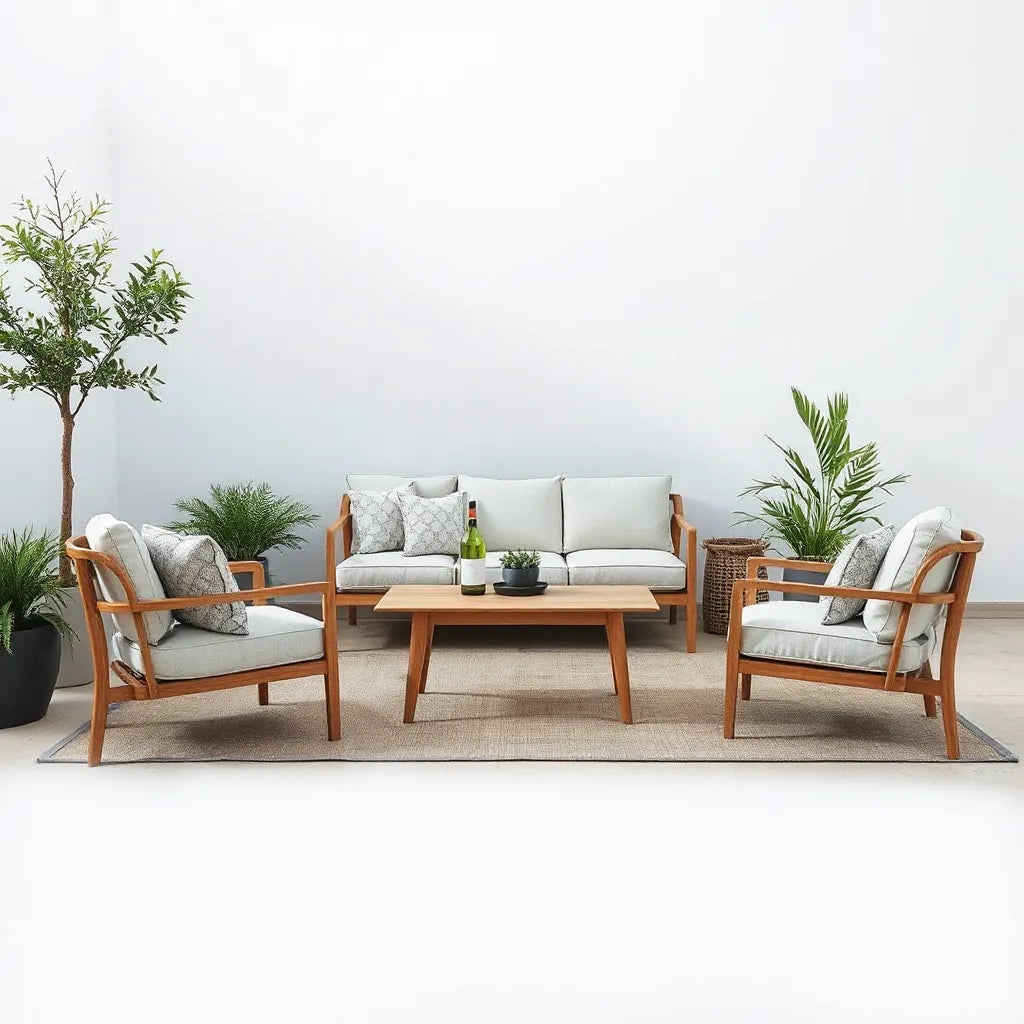
Outdoor garden furniture transforms a patio, balcony, or backyard into a usable living space. The right selection enhances comfort for dining, relaxing, and social time. However, buying without a plan often leads to early wear, unstable seating, faded finishes, and higher upkeep costs. This article provides a structured approach to selecting outdoor garden furniture with long-term performance in mind, including the materials, comfort factors, maintenance habits, and layout choices that typically determine whether a set remains satisfying for years.
Common Mistakes
Many shoppers begin with appearance and postpone practical evaluation. That approach usually backfires when summer heat, heavy rain, coastal salt air, or winter freezing conditions arrive. If you do not verify weather resistance, you may replace furniture sooner than expected.
Another frequent error is ignoring size and spacing. Even attractive outdoor garden furniture can become frustrating if it blocks doorways, crowds walkways, or leaves inadequate room for movement around a table.
People also underestimate weight and stability. Lightweight frames may move in wind or become unsteady on uneven ground. It is common to see wobbling chairs or tables that shift when someone leans back.
Finally, buyers often neglect maintenance requirements. Upholstered pieces and finishes can behave differently depending on the fabric, coating, and drainage design. Without a realistic care routine, surfaces can dull, fabrics can hold stains, and metal can corrode.
Buyer’s Checklist
Use this checklist before committing to a purchase. It helps you compare options objectively and avoid unpleasant surprises after installation.
- Climate fit: Identify your local weather profile, including rain frequency, sunlight intensity, humidity, and temperature swings.
- Material suitability: Choose materials known for outdoor exposure, and confirm that components such as frames and fasteners are rated for weather.
- Construction quality: Look for secure joints, consistent spacing, and hardware designed to resist rust.
- Stability test: Ensure chairs and tables maintain balance on your patio surface and do not wobble under normal use.
- Comfort planning: Evaluate seat depth, back support, and cushion thickness if cushions are included.
- Drainage and airflow: Prefer designs that shed water and allow drying to reduce mold risk.
- Care effort: Decide whether you will regularly clean and protect surfaces or store furniture seasonally.
- Modularity: If you may rearrange your space, consider stackable, expandable, or mix-and-match configurations.
To make a quick improvement to the overall outdoor experience, plan lighting and seating together. If you want a warm ambient feel, choose outdoor-appropriate lighting and pair it with comfortable seating so evenings remain inviting.

Textured frames, weather symbols, airflow arrows, quick checklist icons
Material Guide for Lasting Performance
The material selection is one of the most important decisions when buying outdoor garden furniture. Different materials respond differently to UV exposure, moisture, and temperature changes. A clear material strategy can reduce maintenance and extend useful life.
Teak and hardwood
Teak and other dense hardwoods can perform well outdoors because of natural oils and tight grain. Proper sealing and periodic cleaning help maintain appearance. Hardwood can weather into an attractive silvered finish if you prefer a low-intervention look, but it still benefits from protective routines.
Aluminum
Aluminum frames are popular for their lightweight stability and resistance to rust. Quality matters, particularly regarding powder coating thickness and connection points. If you live in areas with harsh winters, choose aluminum with durable coating and verify that hardware is corrosion-resistant.
Wrought iron and steel
Wrought iron and steel can look classic and feel sturdy. Still, these materials require attention. Look for galvanization or high-quality protective coatings. If the finish chips, corrosion can begin quickly. For best longevity, select sets designed with outdoor-rated coatings and consider seasonal protection.
Resin wicker and synthetic weaves
Synthetic weaves offer a practical compromise between style and maintenance. They often resist moisture and can be easier to clean than natural fibers. The supporting frame matters as much as the weave itself, so evaluate whether the underlying structure is aluminum or another weather-resistant material.
Stainless steel and coated metals
For parts like fasteners and mesh panels, stainless steel or well-coated components reduce the risk of rust staining. When evaluating any set, inspect how screws, brackets, and joints are finished and whether the design prevents water from pooling.
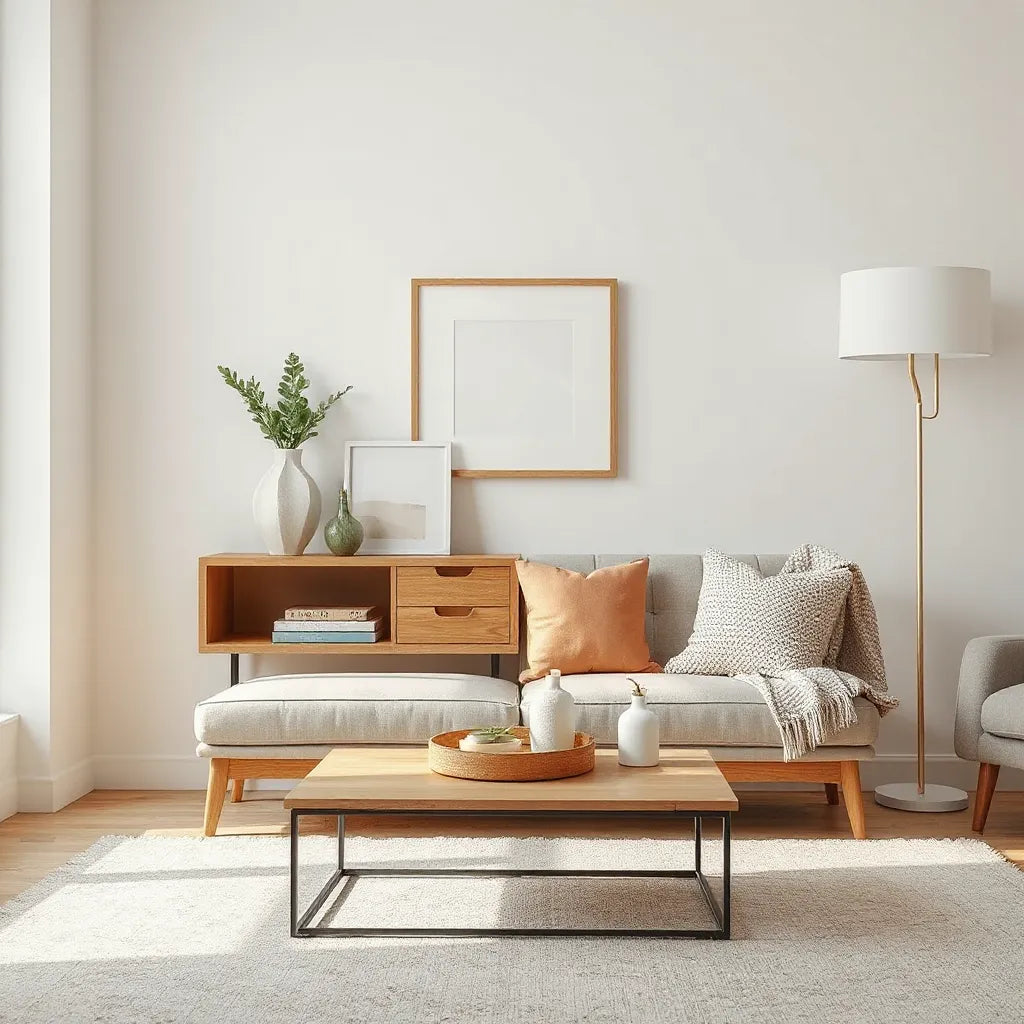
If you want a coordinated outdoor look, you can also consider complementary pieces for your environment. For example, a modern coffee-table surface designed for indoor or transitional use can inspire your selection of durable textures and easy-to-wipe finishes. You can review an example at modern coffee table inspiration as a style reference for outdoor planning.
Comfort and Ergonomics That Hold Up
Outdoor garden furniture should support comfort during meals and conversations, not only during short visits. Comfort depends on seat height, back angle, and the way cushions respond to repeated use. It also depends on how the chair accommodates average body movement and posture changes.
Seat height and leg clearance
For dining chairs, seat height should align well with table height. If the seat is too low, people may feel strained when standing. If it is too high, knees may hit the underside of the tabletop. Measure your current table or plan the chair height based on your target table dimensions.
Back support and seat depth
Back support matters for long seating. A shallow seat can pressure the back of the thighs. A deep seat may cause sliding or discomfort for shorter users. Choose options that balance seat depth with a supportive back angle.
Cushion quality
Cushions are often the first part to show wear. Check for outdoor-rated fabric, foam density, and whether covers can be removed. Fabrics with UV resistance and water-shedding surfaces typically maintain their look longer. If cushions are included, confirm how they will dry after rainfall.
Armrests and stability
Armrests can improve comfort, especially for older users. Still, armrests should not interfere with posture or create pinch points. A stable chair frame supports safe seating and reduces wobble. Stability is also important for cushion longevity because movement can increase friction and fabric stress.
Maintenance and Care for Outdoor Longevity
A practical care plan can protect your investment. You should treat outdoor garden furniture as an outdoor system: materials, finishes, cushions, and cleaning routines interact. When you clean promptly after spills and remove debris regularly, you reduce staining and minimize corrosion risks.
Routine cleaning
Begin with gentle cleaning. Use a soft brush to remove dust and plant debris. For deeper cleaning, use mild soap and warm water. Avoid harsh chemicals that can damage finishes or break down protective coatings. Rinse thoroughly and allow complete drying before covering or storing.
Addressing stains and mildew
For mildew, use a solution appropriate for the furniture material. Test on a small hidden area first. The key is to improve drying and airflow afterward so mildew does not return. If you consistently see mildew, review your coverage habits and storage conditions.
Protective coatings and seasonal refresh
Wood may need periodic sealing or oiling depending on your finish preference. Metals benefit from touch-up coats when minor chips appear. Keeping surfaces protected reduces oxidation and slows the decline of coatings.
Hardware inspection
Check bolts and joints at least once per season. Tighten loose fasteners before they cause movement that can stress frames. This habit improves safety and prevents small issues from becoming larger repairs.

Cleaning tools, drying airflow, labeled care steps, rinse streams
Storage and Weather Protection
Weather protection is often the difference between “looks good for a season” and “performs for years.” Covers help, but they must be used correctly. A poorly ventilated cover can trap moisture and encourage mildew growth.
When to cover
Cover furniture during prolonged rain, intense sun periods, or extended times when the set is not used. Ensure surfaces are dry before covering. Choose breathable covers that allow trapped humidity to escape.
Seasonal storage strategy
If winters are severe, storage indoors or in a sheltered area is usually the best choice. If indoor storage is not available, use waterproof protection while still supporting airflow. Elevate covers slightly to reduce condensation at the base.
Upholstery and cushions
Cushions should be handled separately. Storing cushions in damp conditions increases the risk of mildew and unpleasant odors. If possible, store cushions in a dry, ventilated space. If not, use a cover that allows drying and check periodically after storms.
Design and Layout Planning
A comfortable layout improves the usability of outdoor garden furniture. The best configuration supports movement while preserving open space. Begin with the main purpose of the area: dining, lounging, or mixed use.
Measure first, then select
Measure the available space and map the furniture footprint. Leave enough room for chair pull-out movement and safe circulation around the table. Consider where doors open and where people must walk when the set is in use.
Create a focal center
Most outdoor layouts benefit from a focal center, usually a table or seating grouping. If you have a long patio, consider modular units that align with the space rather than forcing a rigid arrangement.
Consider surface height and ground stability
Outdoor surfaces vary. Some patios are level, while others have slopes. Stable seating requires a consistent base. If your patio is uneven, consider leveling solutions appropriate for your surface type so furniture remains balanced.
Match style with surroundings
For cohesive design, align material tones and textures with your outdoor architecture. Natural wood tones pair well with stone and landscaping. Aluminum and synthetic weaves complement modern structures. The goal is a unified visual language that remains attractive across seasons.
Budget and Value Planning
Budget decisions should reflect how long you want the furniture to last and how much time you want to spend on upkeep. It is often more cost-effective to invest in durable construction and quality finishes than to replace worn pieces every few years.
Define your expected lifespan
Ask yourself what “worth it” means for your household. If you use your outdoor space daily, prioritize weather-resistant frames and cushions with easy cleaning access. If use is seasonal, you can prioritize storage-friendly designs.
Compare total cost, not only the price tag
When evaluating outdoor garden furniture, include potential costs such as covers, cushion replacements, and maintenance materials. A higher upfront price may reduce future expenses if the set holds up under your conditions.
Choose adaptable configurations
Expandable dining tables and modular lounge sets offer flexibility. They can match guest counts and allow you to reconfigure the area without replacing the entire collection.
If you also manage outdoor cooking areas, safety and durability planning matter. Use a structured approach similar to how buyers evaluate gear for adult padel selection. If you want an example of a careful decision process, review Kaufberatung Erwachsene Padel Schläger sicher auswählen. The principle is consistent: assess key requirements, compare options, and choose features that fit your environment and usage.
FAQ Section
How do I choose outdoor garden furniture for rainy climates?
Prioritize rust-resistant frames, drainage-friendly designs, and cushions with water-shedding covers. Select breathable covers and ensure surfaces dry fully before covering. Regular cleaning after storms also helps prevent stains and mildew.
What is the best material for low-maintenance outdoor use?
Aluminum and many resin weave styles are often easier to maintain because they resist rust and can be cleaned with mild soap. For low maintenance, also choose designs that allow airflow and avoid hidden areas that trap moisture.
Should I store cushions indoors?
Yes, if feasible. Indoor storage in a dry, ventilated space reduces mildew risk and keeps fabrics looking new. If you cannot store cushions indoors, use breathable covers and inspect them after heavy rain.
How can I prevent furniture from wobbling?
Verify that legs are balanced and check whether your patio surface is level. Inspect joints and tighten fasteners. If the surface is uneven, consider an appropriate leveling solution so the frame does not twist under weight.
Wrap-Up & Final Thoughts
Outdoor garden furniture is a long-term investment in comfort, usability, and outdoor lifestyle. You can make a confident purchase when you match materials to your climate, plan for stability and comfort, and commit to a simple maintenance routine. Use the checklist provided to compare options objectively and choose designs that support drying, drainage, and seasonal protection. With the right selection and care habits, your outdoor setting can remain inviting through many seasons.
Recommended next step: Build a short shortlist based on your space measurements and climate needs. Then evaluate materials, cushion quality, and storage compatibility before finalizing your choice.
Q&A Section
What size outdoor garden furniture set fits a small patio?
For smaller spaces, prioritize slimmer chair profiles and a table size that allows smooth movement around the set. Measure walkways, doorway clearance, and how far chairs will extend when pulled out. If you host occasional guests, consider a compact expandable table or a modular lounge configuration that can be adjusted quickly.
Is weather-resistant fabric always the same as waterproof?
No. Weather-resistant fabric typically reduces water absorption and fading, but it is not always fully waterproof. If you expect heavy rain exposure, choose cushions with covers designed for outdoor use and plan to cover or remove cushions after storms so moisture does not remain trapped.
How often should I clean my outdoor furniture?
A light cleaning after visible debris buildup is usually sufficient, especially at the beginning and end of high-sun seasons. If you use the set frequently, wipe surfaces regularly and perform a deeper cleaning at least once per season. Prompt cleaning after spills also reduces staining and odor retention.
About the Author
SellHots is an e-commerce content team specializing in home lifestyle guidance and product selection strategy. We focus on practical decision-making for buyers, including durable materials, comfort fundamentals, and maintenance planning for long-term use. If you want your outdoor space to stay functional and visually consistent, apply the checklist above and refine your choices based on your local conditions. Thank you for reading, and we invite you to shop with confidence.
Disclaimer: This article provides general guidance for selecting and maintaining outdoor garden furniture. Weather conditions and product specifications vary by brand and model, so you should review manufacturer instructions before use, cleaning, or storage.
The content in this blog post is intended for general information purposes only. It should not be considered as professional, medical, or legal advice. For specific guidance related to your situation, please consult a qualified professional. The store does not assume responsibility for any decisions made based on this information.